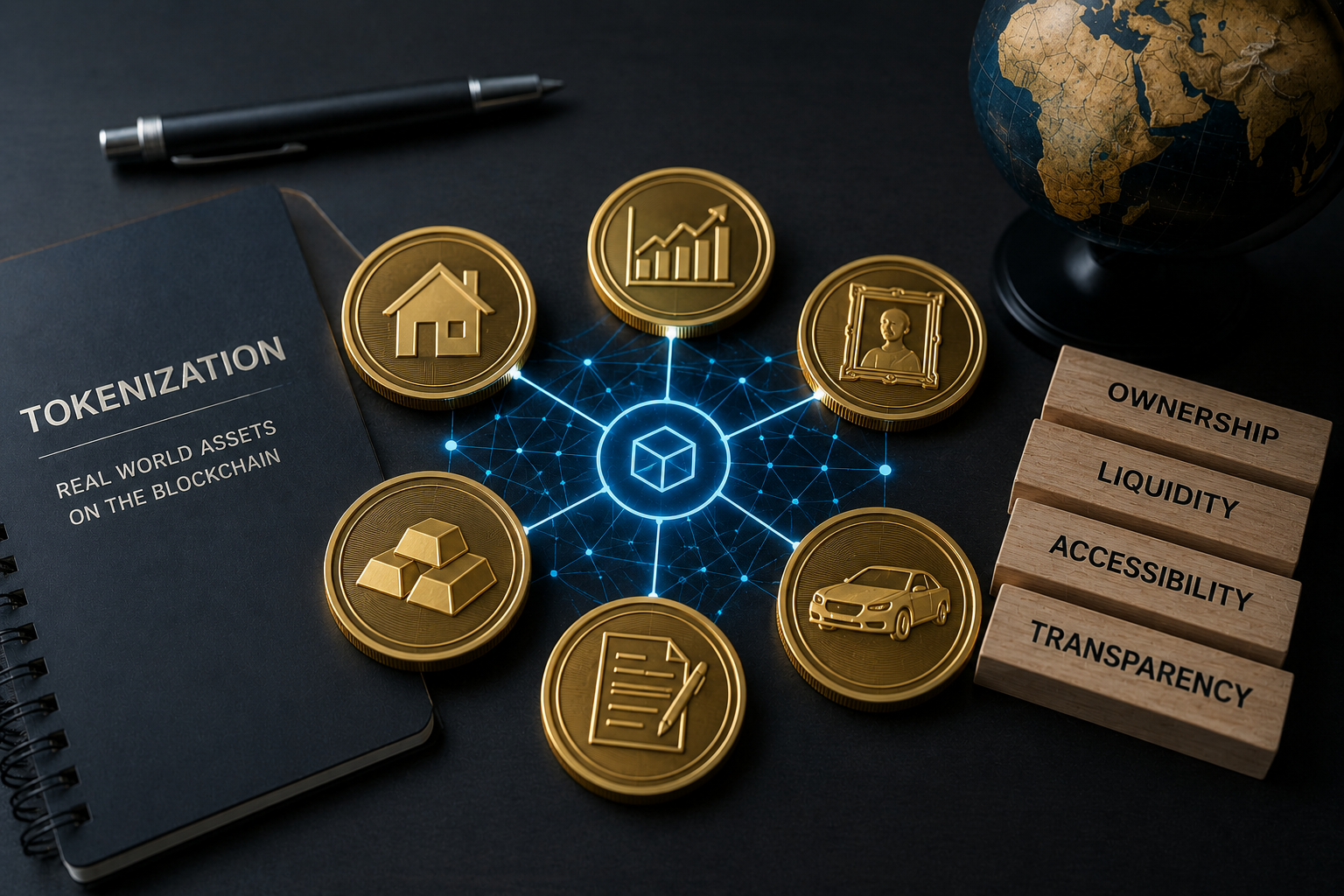
The landscape of global finance is shifting from centralized databases to programmable digital infrastructure. At the center of this evolution is a process known as tokenization.
While digitization turned paper stock certificates and physical currency into electronic entries on bank ledgers, tokenization redefines how ownership itself is tracked, transferred, and managed. By converting real world assets and financial instruments into digital tokens on a blockchain, this technology bridges traditional finance and decentralized ecosystems.
Understanding tokenization is essential for anyone navigating the Web3 space. The underlying technology is transforming everything from real estate to sovereign debt, bringing massive capital efficiency to the global economy.
Interactive Asset Tokenization Simulator
Adjust the parameters below to see how blockchain tokenization restructures asset value, democratizes access, and optimizes transaction fee distributions compared to legacy finance.
Dynamic Insight: Increasing the token count fractionalizes ownership further, reducing individual retail entry requirements. Simultaneously, utilizing decentralized architecture minimizes legacy legal, brokerage, and administrative processing overhead by roughly 75% to 80%.
Defining Tokenization in Blockchain and Crypto
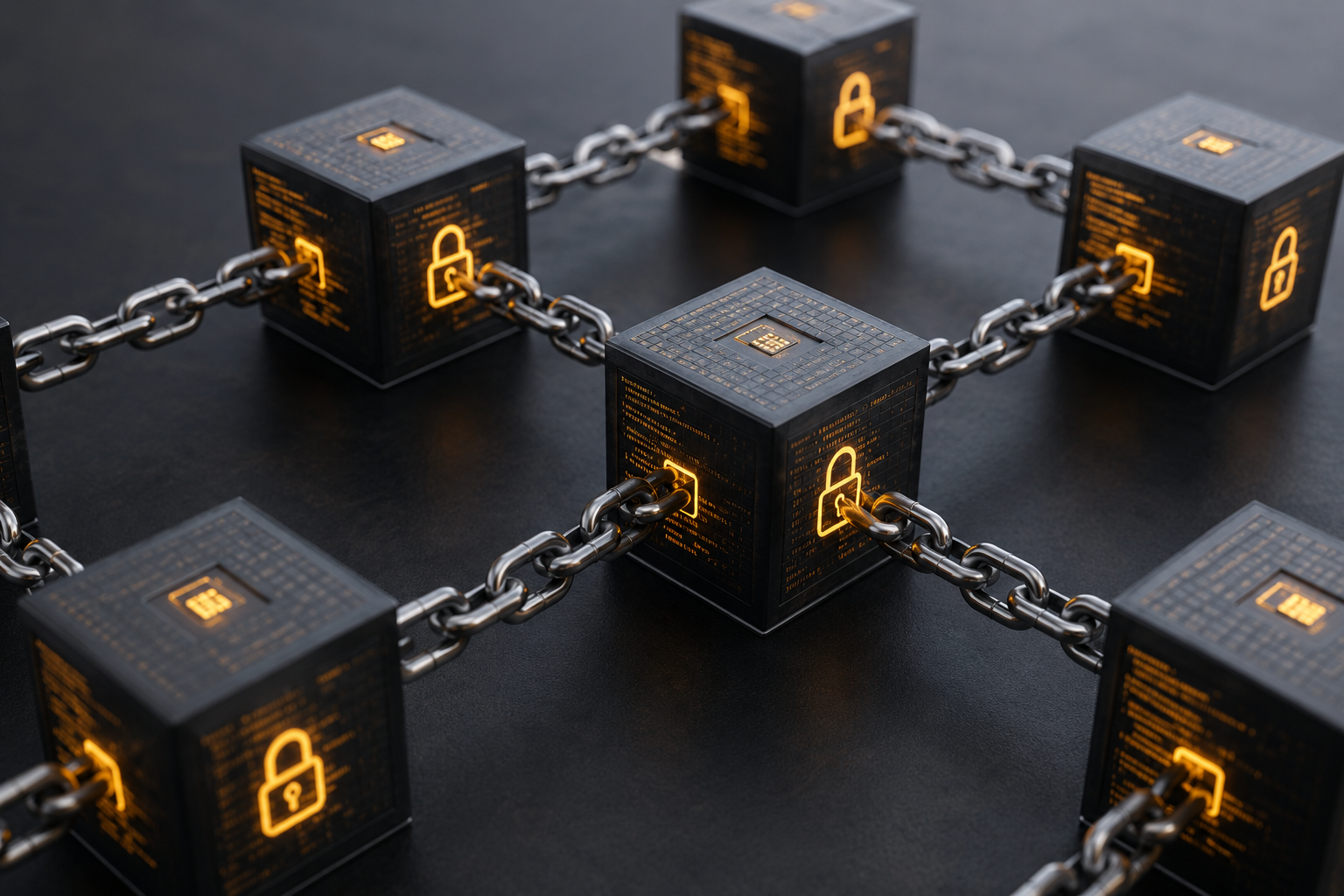
At its core, tokenization is the process of converting ownership rights of an asset into a digital token on a distributed ledger or blockchain. Instead of relying on a centralized intermediary, such as a bank or a title company, to verify and record an entry, the asset is managed directly via code.
Unlike simple digital bookkeeping, a tokenized asset embeds ownership and transfer protocols directly into the asset itself. The digital token acts as a smart contract-driven vehicle. When you transfer the token, you execute and finalize the transfer of the underlying legal claim or economic value on the ledger in near real time.
To understand how tokenization works in practice, consider the clear distinctions between traditional financial assets and tokenized assets:
Traditional Digitization vs. Blockchain Tokenization
Feature
Traditional Digitization
Blockchain Tokenization
Ownership Ledger
Maintained in centralized databases by trusted intermediaries.
Recorded on a decentralized, shared blockchain ledger.
Settlement Speed
Days or hours; requires manual reconciliation across institutions.
Near real-time or instant settlement finality.
Execution
Manual verification, messaging systems, and legal confirmations.
Automated via programmable self-executing smart contracts.
Fractionalization
Highly restricted by administrative costs and legal frameworks.
Siloed and private; requires manual third-party audits.
Transparent, immutable, and auditable in real time.
How the Tokenization Process Works
Transforming a tangible or intangible asset into a digital token follows a strict structured lifecycle. This ensures that the digital representation remains valid, enforceable, and legally compliant.
1. Asset Sourcing and Structuring
The process begins off-chain. The issuer identifies the asset, whether it is physical real estate, a gold bar, or a corporate bond. Legal frameworks must anchor the asset to ensure that owning the on-chain token represents a valid, enforceable claim against the off-chain issuer.
2. Digital Representation and Smart Contracts
Developers write smart contracts to define the token parameters. This code establishes the total supply, divisibility rules, and operational functions such as how interest payments or dividend distributions are executed.
3. Compliance and Security Minting
Before the tokens are minted onto the public or private blockchain, regulatory rules are programmed directly into the smart contract architecture. This includes verifying Know Your Customer (KYC) and Anti-Money Laundering (AML) requirements, ensuring that only authorized addresses can hold or trade the asset.
4. Issuance and Secondary Market Trading
Once minted, the tokens are distributed to investors. These assets can then be traded 24/7 on decentralized exchanges or dedicated tokenization platforms, allowing continuous liquidity and instant peer-to-peer settlement.
The Core Types of Tokens in Crypto
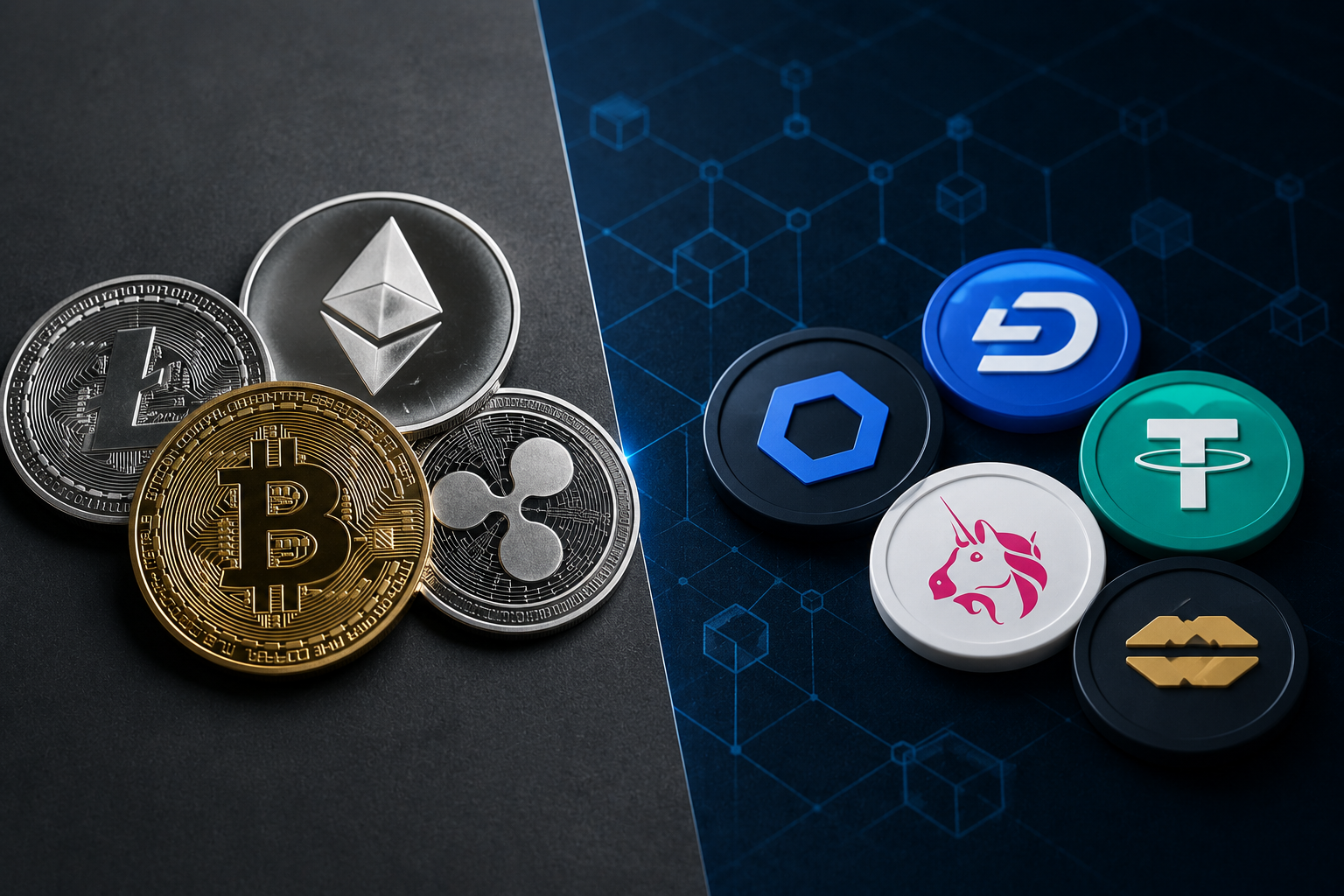
Not all tokens are created equal. Depending on the underlying asset and use case, tokens generally fall into three primary categories:
Security Tokens: These represent direct ownership of real world assets, such as real estate fractions, corporate stocks, or high-yield bonds. They are subject to local securities laws.
Utility Tokens: These grant users access to a specific product, service, or decentralized application (dApp) ecosystem. They are designed for consumption rather than direct investment ownership.
Payment and Settlement Tokens: These are digital assets used to discharge financial obligations. They include regulated stablecoins, tokenized commercial bank deposits, and wholesale Central Bank Digital Currencies or wCBDCs.
Why Is Tokenization Important? The Key Benefits
The institutional momentum behind tokenization stems from its ability to solve structural inefficiencies in legacy financial systems. The economic benefits span cost reduction, liquidity management, and operational transparency.
1. Fractional Ownership and Market Democratization
High-value assets like commercial real estate, fine art, and private equity have traditionally been locked away from everyday retail investors due to massive capital minimums. Tokenization enables micro-fractionalization, breaking down an asset into thousands of affordable digital shares. This lowers barriers to entry and unlocks broader public access to wealth-generating vehicles.
2. Elimination of Middlemen and Drastic Cost Savings
Traditional financial markets rely on a web of intermediaries, including clearinghouses, custodian banks, brokers, and legal auditors. Each layer adds transaction costs and processing delays.
Smart contracts automate these administrative procedures, removing manual intervention and counterparty risk. Empirical research indicates that tokenization improves cost-savings across trading processes and streamlines operational workflows.
3. Near-Instant Settlement Finality
Traditional trades can take anywhere from 24 to 72 hours to fully settle, tying up capital and exposing parties to settlement risks. Blockchain infrastructure replaces bilateral reconciliation with a single, synchronized source of truth. This allows settlement finality to occur in near real time.
4. Continuous Liquidity for Illiquid Assets
Assets like private credit or niche property markets suffer from low liquidity, making them difficult to trade quickly. By placing these assets on a 24/7 global blockchain ledger, buyers and sellers can connect instantly without geographic constraints. This continuous trading access reduces friction and improves secondary market volume.
5. Automated Compliance and Traceability
Compliance can be embedded into the asset’s code. For instance, a green bond or ESG asset can be tokenized to enforce compliance with environmental traceability and auditability standards. This permits stakeholders to monitor the asset’s impact and automated regulatory reporting in real time.
Real-World Asset (RWA) Tokenization: The Leading Frontier
The fastest-growing segment of this technology is the tokenization of Real-World Assets (RWAs). This sector forms a direct interface between public blockchain rails and tangible economic value.
Institutional interest in RWAs has exploded, with on-chain tokenized RWAs exceeding 26 billion dollars in distributed value, marking massive year-over-year growth. This growth is heavily driven by institutional adoption of tokenized U.S. Treasuries, private credit, and gold-backed commodities.
Notable Examples of Tokenized RWAs
Tokenized Gold: Digital assets like PAX Gold (PAXG) and Tether Gold (XAUT) represent physical gold held in secure vaults. These tokens allow fractional ownership and immediate global transferability while matching the spot price of traditional gold (XAU).
Tokenized Sovereign Debt: Institutional funds managed by major global asset managers are increasingly issuing tokenized U.S. Treasury bills directly on public networks like Ethereum and Stellar, providing a secure, yield-bearing cash alternative for Web3 applications.
Tokenized Real Estate: Residential and commercial properties are split into digital pieces, allowing global investors to earn pro-rata rental income and participate in property appreciation with minimal capital.
Current News and Institutional Breakthroughs
The narrative surrounding tokenization has transitioned from experimental pilots to core financial infrastructure. Key developments highlight this shift:
Institutional Inflows and Multi-Trillion Dollar Projections
Major global banks and financial authorities are leaning heavily into shared ledgers. Project Agorá, convened by the Bank of International Settlements (BIS) alongside major central banks, is testing how tokenized commercial bank deposits and wholesale central bank digital currencies can integrate to optimize cross-border payments. Analysts project that tokenized assets could scale into a multi-trillion-dollar market by the early 2030s.
Evolving Bitcoin Paradigms
Tokenization is also playing a significant role in upgrading legacy layer-1 networks. Recent academic frameworks propose tokenization as a vital pathway for Bitcoin’s future long-term valuatio. By creating robust Bitcoin-backed tokens (such as Wrapped Bitcoin or soft-forked native token variations), developers can delay security issues arising from declining block rewards, letting Bitcoin capital interact dynamically within decentralized applications and broader markets.
Regulatory Clarifications
Legislative bodies are moving quickly to keep pace with institutional realities. Frameworks such as the U.S. GENIUS Act and the advancement of the CLARITY Act provide corporate lawyers and financial institutions with the clear regulatory guidelines needed to ensure on-chain tokens carry enforceable legal weight off-chain.
Challenges and Risks Facing Tokenization
Despite its massive potential, the tokenization ecosystem must overcome several operational, technical, and regulatory hurdles before achieving mainstream global adoption.
1. Legal and Regulatory Fragmentation
Blockchain infrastructure operates globally, but legal jurisdictions are inherently national. Ensuring that a smart contract-driven token transfer complies simultaneously with the securities regulations of different jurisdictions remains a complex hurdle. Without unified international legal standards, cross-border tokenized asset flows face compliance bottlenecks.
2. Liquidity Fragmentation and Secondary Market Depth
While tokenization can technically make an asset tradable, it does not guarantee immediate deep liquidity. Empirical studies on tokenized real estate show that secondary market activity remains highly dependent on crypto-market conditions and individual platform design features. If an asset class is divided across multiple isolated blockchains, it can cause liquidity fragmentation, which limits active trading depth.
3. Infrastructure and Systemic Smart Contract Risk
Traditional financial safety nets rely on institutional buffers, centralized capital reserves, and legal procedures to remedy failures. Tokenized systems shift this risk directly onto the infrastructure and the underlying code. A single logic flaw, oracle data feed manipulation, or smart contract exploit can lead to irreversible financial losses, making strict auditing procedures absolutely mandatory.
Conclusion: The Programmable Future of Global Capital
Tokenization is far more than a buzzword in the cryptocurrency ecosystem. It represents a fundamental upgrade to how humanity records, transfers, and leverages economic value. By embedding ownership logic directly into digital objects, tokenization replaces slow manual reconciliation with automated, transparent, and fractional financial rails.
As regulatory clarity sharpens and institutional infrastructure matures, the boundary between traditional finance and blockchain ecosystems will continue to dissolve. From fractionalizing a local commercial building to executing real-time cross-border settlements with tokenized money, tokenization is paving the way for an efficient, accessible, and programmable global economy.