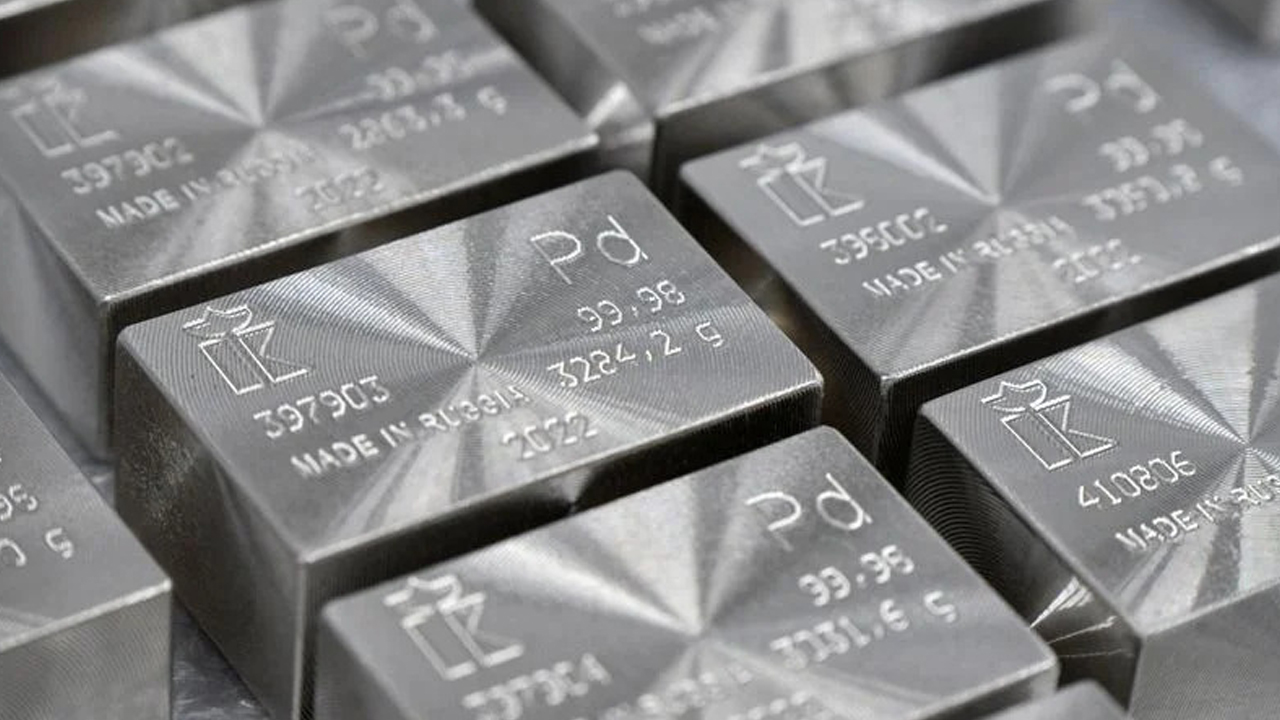
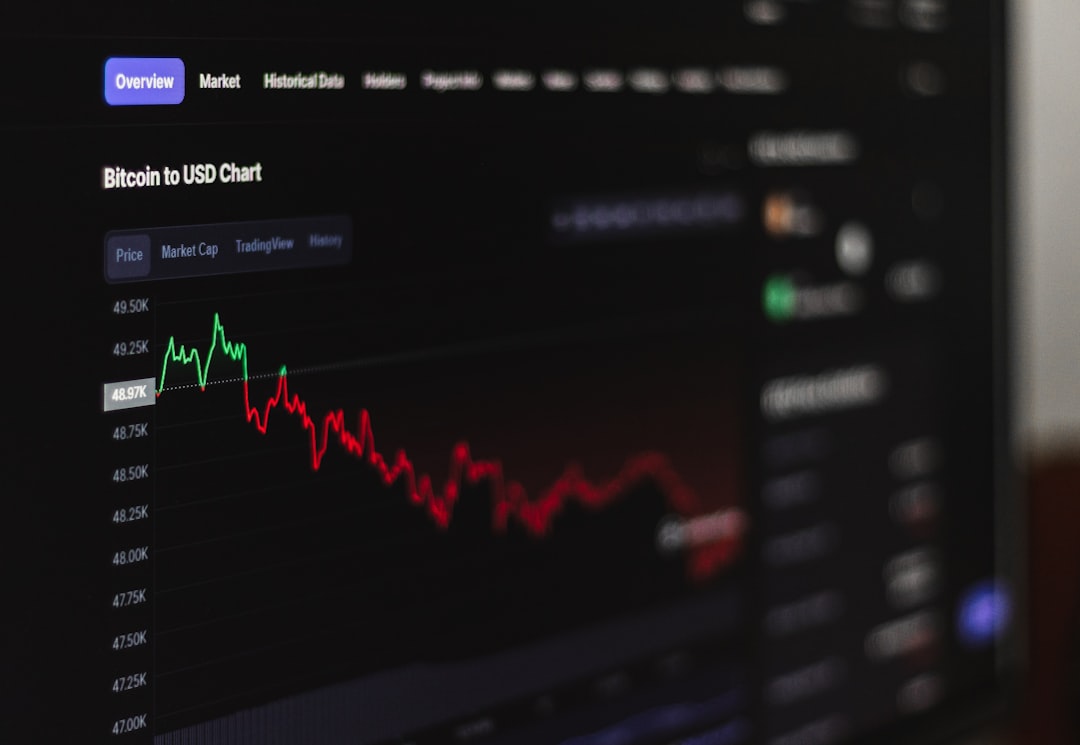
In the world of commodities trading, few assets experience the dramatic supply squeeze, industrial dependency, and intense price volatility of Palladium (XPD). Traded against the United States Dollar as XPD/USD, this critical platinum-group metal (PGM) frequently moves independently of traditional safe-havens like gold or silver.
Once a secondary byproduct of nickel and platinum mining, palladium evolved into an indispensable industrial commodity. It has recently emerged as a pivotal battleground for global trade policy, automotive innovation, and green energy applications. For commodity traders, hedge funds, and long-term investors, understanding the unique mechanics of XPD/USD is vital for identifying major market trends.
This comprehensive guide breaks down everything required to navigate the palladium market: fundamental supply-demand structures, macroeconomic influences, technical trading strategies, and emerging fundamentals.
1. Understanding Palladium (XPD) as an Asset Class
To trade XPD/USD successfully, investors must recognize that palladium functions primarily as an industrial commodity rather than a monetary asset. Unlike gold, which is deeply influenced by central bank accumulation and global inflation hedging, palladium’s price floor is anchored squarely to industrial production.
GLOBAL PALLADIUM CONSUMPTION

AUTOMOTIVE             GREEN ENERGY            ELECTRONICS
CATALYSTS              & HYDROGEN              & INDUSTRIAL
(80-85%)               (Emerging)              (10-15%)
Historically, the automotive industry consumes between 80% and 85% of global primary palladium supply annually, where it serves as the reactive agent in catalytic converters for internal combustion engine (ICE) and hybrid vehicles (Cherepovitsyn, 2024).
Key Specifications of XPD/USD
ISO Currency Code: XPD (represents one troy ounce of pure palladium).
Standard Lot Size: 100 troy ounces on standard futures exchanges (e.g., NYMEX); contract sizes vary for retail spot CFDs (frequently 10 ounces).
Trading Correlation: Weak positive correlation with Gold (XAU) and Platinum (XPT); strong positive correlation with global auto manufacturing indexes and manufacturing Purchasing Managers’ Indexes (PMI).
2. Structural Supply Deficits and Geopolitical Vulnerabilities
Palladium’s extreme price swings are structurally rooted in an inelastic supply chain. It is rarely mined as a primary target; instead, it is recovered as a secondary product during the extraction of nickel in Russia or platinum in South Africa. Consequently, mine output cannot quickly adapt to sudden shifts in market demand.
Furthermore, geographic concentration presents a continuous vulnerability for supply chains:
Power infrastructure failures (Eskom grid instabilities), labor strikes.
North America
~10% – 15%
Stillwater (US), Lac des Iles (Canada)
Mature, high-cost underground mining operations.
Because PJSC MMC Norilsk Nickel in Russia controls a vast portion of global primary refining capabilities, any escalation in trade policy or export controls introduces substantial volatility into the spot XPD/USD price. When access to Russian refined units is restricted, industrial buyers often bid premiums on Western spot desks to secure immediate delivery.
3. The Industrial Core: Catalytic Converters and Automotive Cycles
To project macro trends for XPD/USD, traders track vehicle tailpipe emissions regulations rather than interest rate charts. Palladium possesses a high melting point and exceptional chemical properties that effectively convert toxic hydrocarbons, carbon monoxide, and nitrogen oxides ($NO_x$) from gasoline engines into harmless carbon dioxide, nitrogen, and water vapor.
Tightening Environmental Policies
Over the past decade, regulatory shifts—such as Euro 6d/Euro 7 standards in the European Union, China 6b across East Asia, and Tier 3 rules in the United States—mandated higher loadings of precious metals per vehicle. Even during periods of flat global vehicle sales, palladium consumption per unit rose significantly, triggering a multi-year supply deficit.
The EV Transition and the Hybrid Hedge
The broader transition toward Battery Electric Vehicles (BEVs) represents a long-term structural risk for palladium, as fully electric powertrains do not utilize catalytic converters (Pavlínek, 2022). However, market dynamics reveal two important stabilizing factors:
The Hybrid Alternative: Consumer trends show sustained demand for Plug-in Hybrid Electric Vehicles (PHEVs) and standard Hybrid Electric Vehicles (HEVs). Because hybrid internal combustion engines experience frequent cold-start cycles, they require highly efficient emissions control systems, often necessitating higher palladium loadings than conventional ICE drivetrains.
Platinum Substitution: Historically, when palladium prices significantly exceeded platinum prices, automotive manufacturers re-engineered systems to substitute palladium with cheaper platinum. This multi-year engineering cycle establishes a natural price ceiling and floor relationship between the two closely related metals.
4. The Hydrogen Frontier: Securing Long-Term Industrial Value
As automotive demand transitions amid electrification, the palladium sector is exploring new industrial use cases within the emerging hydrogen economy. Palladium’s atomic structure acts like a sponge for hydrogen gas, allowing it to absorb up to 900 times its own volume of the element at room temperature.
This unique chemical property positions palladium as a critical material for several clean energy fields:
Hydrogen Purification Membranes: Industrial green hydrogen production requires ultra-pure gas streams. Palladium alloy membranes isolate hydrogen from mixed gas streams with high efficiency.
Fuel Cell Technologies: Next-generation proton-exchange membrane (PEM) systems use palladium components to increase catalytic efficiency and reduce reliance on more expensive platinum groups.
Liquid Organic Hydrogen Carriers (LOHC): Palladium catalysts assist in binding hydrogen to liquid carrier compounds for stable, long-distance transportation without requiring high-pressure compression or cryogenic refrigeration.
While these applications currently represent a modest percentage of global demand, their expansion provides a structural long-term offset against declining conventional automotive usage (Cherepovitsyn, 2024).
5. Macroeconomic Drivers: Interest Rates, the USD, and PMIs
While industrial demand shapes the baseline fundamentals for palladium, specific macroeconomic factors determine its day-to-day fluctuations against the US Dollar:
1. The Value of the US Dollar (USD Index / DXY)
As an asset priced globally in dollars, XPD/USD maintains an inverse relationship with the greenback. When the Federal Reserve raises interest rates or global capital seeks shelter in the USD, the currency strengthens, making dollar-denominated commodities more expensive for international buyers holding Euros, Yuan, or Yen. This often exerts downward pressure on spot prices. Conversely, a weakening dollar provides an upward lift to the metal.
Traders should closely monitor manufacturing data from major industrial regions, specifically:
China’s NBS and Caixin Manufacturing PMIs
Eurozone Markit Manufacturing PMI
US ISM Manufacturing Index
A reading above 50 indicates industrial expansion, signaling increased demand for commercial vehicles, freight transport, and consumer electronics, which typically supports higher XPD/USD valuations.
3. Investor Sentiment and Futures Positionings
Retail and institutional flows can amplify moves in the palladium market. Because the physical marketplace is relatively small and illiquid compared to gold, shifts in the Commitment of Traders (COT) reports—which track net-long and net-short positions held by speculative hedge funds on the NYMEX—can trigger sharp short squeezes or liquidation events.
6. How to Trade Palladium: Financial Instruments and Structural Considerations
Traders can participate in the palladium market through several distinct asset classes, depending on their risk tolerance, capital requirements, and investment horizon:
Spot CFDs (Contracts for Difference)
Ideal for short-term retail traders, CFDs track the live spot price of XPD/USD directly. They feature high leverage, low capital entry requirements, and the ability to short the market easily.
Risk Warning: Leveraged CFDs incur overnight holding costs (swaps), making them less suitable for long-term buy-and-hold strategies.
Futures and Options Contracts (NYMEX / CME Group)
The preferred avenue for institutional investors and commercial hedgers. Futures contracts offer deep liquidity and direct alignment with physical settlement standards, but require significant capital accounts to handle larger minimum contract values.
Exchange-Traded Funds (ETFs)
Instruments like the abrdn Physical Palladium Shares ETF (PALL) offer exposure by holding physical bullion vaults on behalf of shareholders. ETFs allow traditional stock brokerage accounts to benefit from long-term trends in precious metals without requiring direct management of physical storage or derivative margins.
Physical Bullion Bars and Coins
Physical ownership eliminates counterparty risk and systemic brokerage failures. However, physical buyers must manage high dealer buy/sell premiums, insurance expenses, and secure storage vaults (Cherepovitsyn, 2024). Physical metal is primarily suited for long-term wealth preservation.
7. Strategic XPD/USD Trading Methodologies
To trade XPD/USD effectively, strategies must account for its unique liquidity characteristics and tendency to move in sharp, extended trends.
The Inter-Asset Spread Strategy: Palladium vs. Platinum
One structural approach involves tracking the price ratio between Palladium and Platinum ($XPD / XPT$).
The Ratio Mean-Reversion Model: When the ratio stretches beyond historical norms, industrial substitution cycles often begin to pull the assets back toward their long-term average. Traders monitor these shifts to identify potential mean-reversion opportunities, shorting the overvalued metal while going long on the undervalued alternative.
Price Ratio: XPD / XPT

Ratio Extends High                      Ratio Drops Low
Auto manufacturers plan                 Auto manufacturers favor
substitution to Platinum.               Palladium components.

Strategy: Short XPD / Long XPT          Strategy: Long XPD / Short XPT
Volatility and Breakout Trading
Palladium frequently consolidates within narrow trading ranges before breaking out into significant trending moves. Due to lower thin-market liquidity during off-peak hours, breakouts can trigger large price gaps.
Execution Rule: Traders can utilize automated momentum indicators like the Average True Range (ATR) to adjust stop-loss orders, preventing premature liquidations during sudden intraday market swings.
8. Essential Technical Indicators for Navigating XPD/USD
Incorporating reliable technical tools can help clarify price action amidst palladium’s characteristic volatility:
1. Exponential Moving Averages (EMA 50 and EMA 200)
Given palladium’s tendency toward extended trends, structural shifts are often highlighted by moving average crossovers. When the 50-day EMA crosses above the 200-day EMA (a “Golden Cross”), it typically signals a structural bull market. Conversely, a cross below (a “Death Cross”) suggests a sustained bearish trend.
2. Relative Strength Index (RSI)
Because XPD/USD can experience sharp momentum surges driven by supply squeezes, the standard 14-day RSI can remain in overbought territory (above 70) or oversold territory (below 30) for extended periods.
Trading Application: Rather than shorting an asset simply because the RSI crosses 70, watch for bearish divergence—where price prints a new high but the RSI makes a lower peak—to signal potential trend exhaustion.
3. Volume Profile and Key Support/Resistance Levels
Identifying where large volumes of physical and futures contracts changed hands reveals historical institutional positioning. Key historical volume nodes serve as reliable pivot points during market corrections.
Summary: Balancing Risk and Reward in XPD/USD
Trading palladium offers structural opportunities, but requires a disciplined understanding of unique industrial and geopolitical fundamentals. Prices are heavily shaped by automotive production cycles, emissions standards, geographic supply points, and emerging hydrogen applications.
By combining fundamental supply-demand analysis with technical risk controls, traders can effectively navigate the volatility of XPD/USD and capitalize on the shifts within this essential industrial market.
Cherepovitsyn, A. (2024). Analysis of the palladium market: A strategic aspect of sustainable development. MDPI Sustainability, 5(3), 39. https://www.mdpi.com/2673-6489/5/3/39
Pavlínek, P. (2022). Transition of the automotive industry towards electric vehicle production in the east European integrated periphery. Empirica, 50(1), 35-73. https://doi.org/10.1007/s10663-022-09554-9