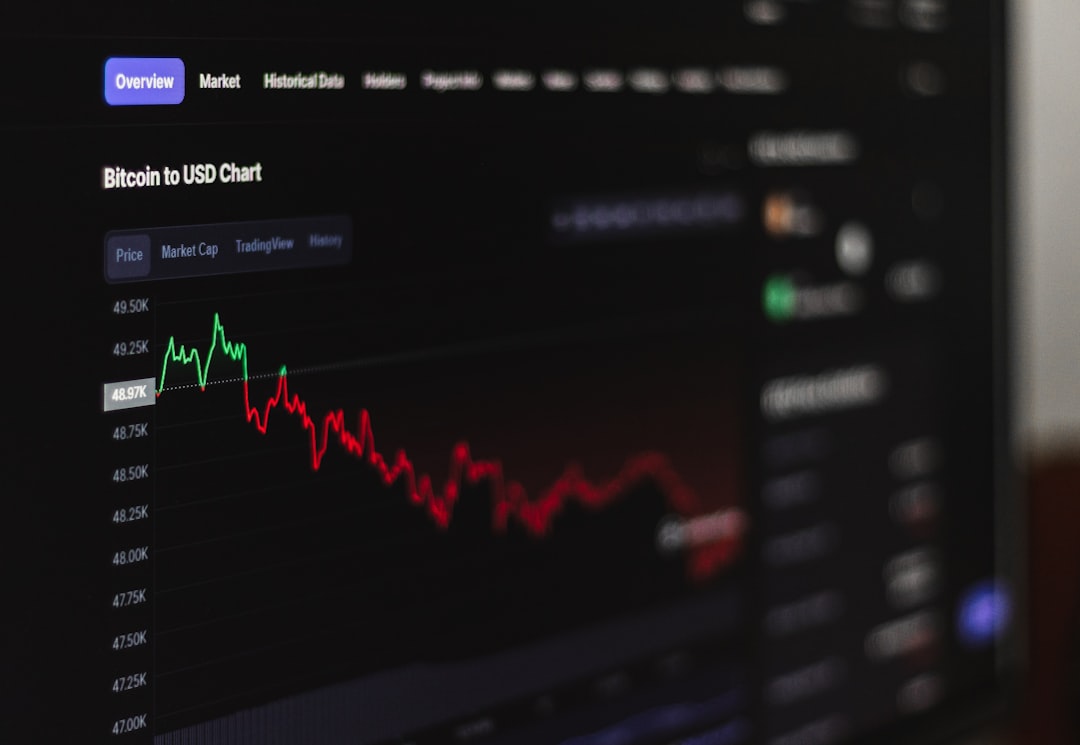
As the largest and most liquid financial market in the world, the Forex market offers a vast array of opportunities for traders to make significant profits. With a daily trading volume of over $6 trillion, it’s no wonder that Forex has become a magnet for investors and traders alike. But, with great opportunity comes great risk, and navigating the complex world of Forex can be daunting, especially for beginners. In this comprehensive guide, we’ll delve into the world of Forex, exploring the basics, strategies, and best practices to help you get started on your trading journey.
Understanding the Basics of Forex
Before diving into the world of Forex, it’s essential to understand the basics. Forex, short for Foreign Exchange, is the market where currencies are traded. The market is open 24/5, Monday to Friday, and allows traders to buy and sell currencies in pairs, such as the Euro/US Dollar (EUR/USD) or the US Dollar/Japanese Yen (USD/JPY). The goal of Forex trading is to predict the direction of currency price movements, buying a currency when you think its value will increase and selling when you think its value will decrease. The Forex market is influenced by a range of factors, including economic indicators, geopolitical events, and market sentiment.
To get started with Forex trading, you’ll need to open a trading account with a reputable broker. There are many Forex brokers to choose from, each offering different trading platforms, spreads, and leverage. It’s essential to do your research and choose a broker that meets your needs and trading style. Some popular Forex brokers include MetaTrader, FXCM, and Oanda. When selecting a broker, consider factors such as regulation, customer support, and the range of trading instruments available.
Developing a Trading Strategy
A well-thought-out trading strategy is crucial to success in the Forex market. There are many different strategies to choose from, including technical analysis, fundamental analysis, and sentiment analysis. Technical analysis involves studying charts and patterns to predict future price movements. Fundamental analysis, on the other hand, involves analyzing economic indicators and news events to predict currency price movements. Sentiment analysis involves analyzing market sentiment to predict future price movements.
One popular trading strategy is the trend following strategy, which involves identifying and following the direction of market trends. This strategy can be effective in the Forex market, as trends can be long-lasting and profitable. Another popular strategy is the range trading strategy, which involves buying and selling currencies within a specific price range. This strategy can be effective in times of low market volatility, when prices are trading within a narrow range.
Managing Risk and Emotions
Risk management is a critical aspect of Forex trading, as the market can be highly volatile and unpredictable. To manage risk, traders use a range of tools, including stop-loss orders, take-profit orders, and position sizing. A stop-loss order is an order to sell a currency when it reaches a certain price, limiting potential losses. A take-profit order is an order to sell a currency when it reaches a certain price, locking in profits. Position sizing involves determining the size of your trades based on your risk tolerance and account balance.
Emotions can also play a significant role in Forex trading, as fear, greed, and anxiety can all impact trading decisions. To manage emotions, traders use a range of techniques, including meditation, journaling, and setting clear trading goals. It’s essential to develop a trading plan and stick to it, avoiding impulsive decisions based on emotions.
Advanced Trading Techniques
For experienced traders, there are many advanced trading techniques to explore, including scalping, day trading, and swing trading. Scalping involves making multiple small trades in a short period, taking advantage of small price movements. Day trading involves making trades within a single day, closing positions before the market closes. Swing trading involves holding positions for several days or weeks, riding out market fluctuations.
Another advanced trading technique is using indicators and oscillators, such as the Relative Strength Index (RSI) and the Moving Average Convergence Divergence (MACD). These tools can help traders identify trends, predict future price movements, and make informed trading decisions. Additionally, traders can use automated trading systems, such as Expert Advisors (EAs), to execute trades automatically based on predefined rules.
Conclusion and Key Takeaways
In conclusion, the Forex market offers a vast array of opportunities for traders to make significant profits. However, navigating the complex world of Forex requires a deep understanding of the basics, strategies, and best practices. To get started with Forex trading, it’s essential to open a trading account with a reputable broker, develop a trading strategy, and manage risk and emotions. Advanced trading techniques, such as scalping and day trading, can also be effective for experienced traders.
Key takeaways from this guide include:
Understanding the basics of Forex, including currency pairs, trading hours, and market factors
Developing a trading strategy, such as technical analysis or fundamental analysis
Managing risk and emotions, using tools such as stop-loss orders and position sizing
Exploring advanced trading techniques, such as scalping and day trading
Using indicators and oscillators, such as the RSI and MACD, to inform trading decisions
By following these key takeaways and continuing to learn and adapt, you can set yourself up for success in the Forex market and achieve your trading goals. Remember to always trade with caution, manage your risk, and stay informed about market developments to stay ahead of the game. With the right knowledge, skills, and mindset, you can navigate the world of Forex and achieve trading success.