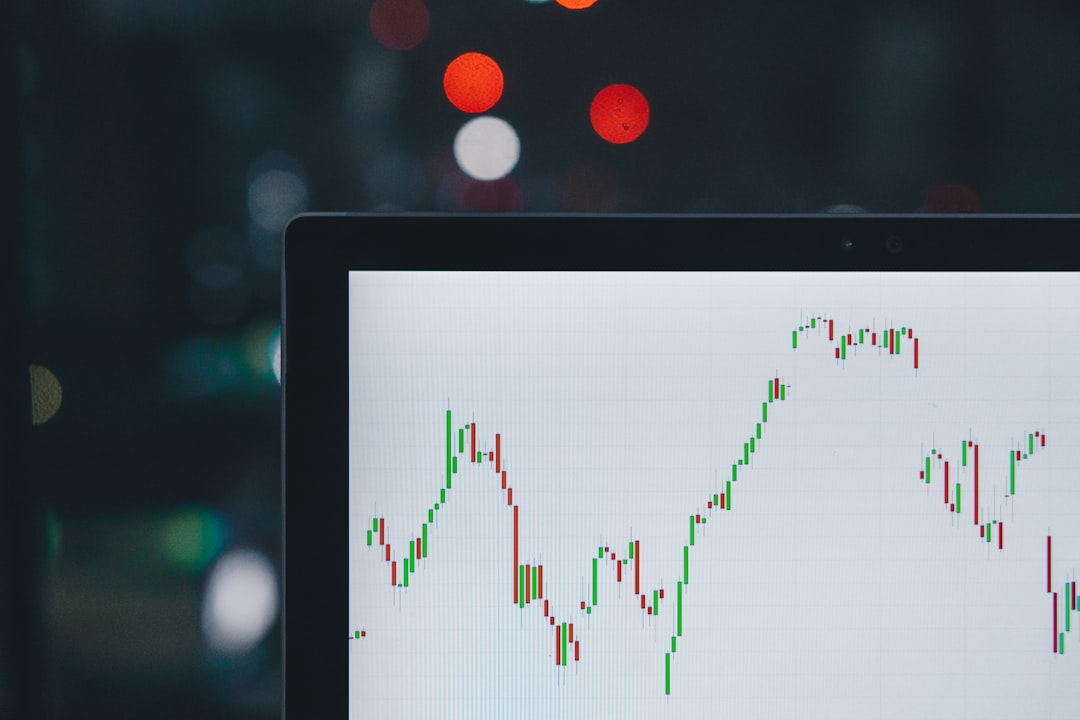
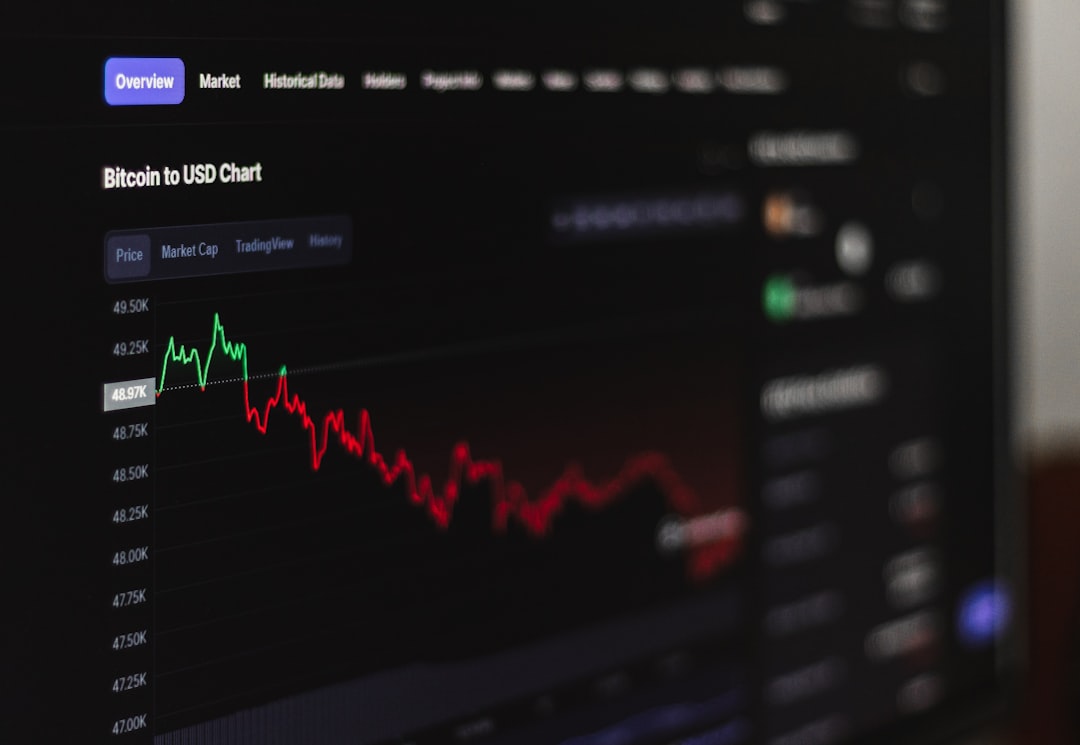
As the world’s most liquid and largest financial market, Forex has become a magnet for individuals looking to diversify their investment portfolios and tap into the vast potential of global currency trading. With a daily trading volume of over $6 trillion, the Forex market offers unparalleled opportunities for traders to profit from the fluctuations in exchange rates between different currencies. But, like any other market, Forex comes with its own set of rules, risks, and complexities. In this comprehensive guide, we’ll delve into the world of Forex, exploring its basics, benefits, and best practices to help you navigate the market like a pro.
Understanding the Basics of Forex
Before diving into the world of Forex, it’s essential to understand the basics of how the market works. Forex, short for Foreign Exchange, is a decentralized market where individuals, businesses, and institutions trade currencies. The market is open 24/5, Monday to Friday, and is driven by supply and demand. The exchange rate between two currencies is determined by a variety of factors, including economic indicators, geopolitical events, and market sentiment. As a trader, your goal is to predict the direction of the exchange rate between two currencies and buy or sell accordingly. For example, if you think the value of the euro will increase against the US dollar, you can buy the EUR/USD pair, and if your prediction is correct, you can sell the pair for a profit.
One of the key concepts in Forex is leverage, which allows traders to control large positions with a relatively small amount of capital. While leverage can amplify your profits, it also increases your risk of losses. As a beginner, it’s crucial to understand the risks associated with leverage and to use it wisely. Another important concept is the spread, which is the difference between the bid and ask prices of a currency pair. The spread can eat into your profits, so it’s essential to choose a broker with competitive spreads.
Choosing the Right Broker and Trading Platform
With so many Forex brokers and trading platforms available, choosing the right one can be a daunting task. As a beginner, you’ll want to look for a broker that offers a user-friendly platform, competitive spreads, and reliable customer support. Some of the key features to consider when choosing a broker include:
Regulation: Look for brokers that are regulated by reputable authorities, such as the Financial Conduct Authority (FCA) or the Securities and Exchange Commission (SEC).
Trading platform: Choose a broker that offers a platform that is easy to use and navigate, with features such as charting tools, technical indicators, and real-time market data.
Spreads and commissions: Compare the spreads and commissions offered by different brokers to ensure you’re getting the best deal.
Customer support: Look for brokers that offer 24/5 customer support, with multiple channels of communication, such as phone, email, and live chat.
Some of the most popular Forex trading platforms include MetaTrader, cTrader, and NinjaTrader. These platforms offer a range of features, including automated trading, backtesting, and technical analysis tools. As a beginner, it’s a good idea to start with a demo account, which allows you to practice trading with virtual money and get a feel for the platform.
Developing a Trading Strategy
Developing a trading strategy is crucial to success in the Forex market. A good strategy will help you navigate the market, manage your risk, and achieve your trading goals. There are many different trading strategies to choose from, including:
Day trading: This involves closing all positions before the end of the trading day, to avoid overnight risks.
Swing trading: This involves holding positions for a shorter period, usually a few days or weeks, to take advantage of market fluctuations.
Position trading: This involves holding positions for a longer period, usually months or years, to take advantage of long-term trends.
As a beginner, it’s a good idea to start with a simple strategy, such as trend following or range trading. Trend following involves identifying the direction of the market and following it, while range trading involves identifying support and resistance levels and trading within them. It’s also important to use technical indicators, such as moving averages and relative strength index (RSI), to help you make informed trading decisions.
Managing Risk and Emotions
Risk management is a critical aspect of Forex trading, as it helps you protect your capital and avoid significant losses. As a beginner, it’s essential to understand the risks associated with Forex trading and to develop a risk management plan. Some of the key strategies for managing risk include:
Position sizing: This involves determining the size of your positions based on your risk tolerance and account balance.
Stop-loss orders: This involves setting a stop-loss order to limit your losses if the market moves against you.
Take-profit orders: This involves setting a take-profit order to lock in your profits if the market moves in your favor.
Emotions can also play a significant role in Forex trading, as fear, greed, and anxiety can cloud your judgment and lead to impulsive decisions. As a beginner, it’s essential to develop a trading mindset, which involves staying calm, focused, and disciplined. This can be achieved by:
Setting clear goals: Define your trading goals and risk tolerance to help you stay focused and motivated.
Developing a trading plan: Create a trading plan that outlines your strategy, risk management, and performance metrics.
Staying informed: Stay up-to-date with market news and analysis to help you make informed trading decisions.
Conclusion and Key Takeaways
In conclusion, Forex trading offers a world of opportunities for individuals looking to diversify their investment portfolios and tap into the vast potential of global currency trading. However, it’s essential to approach the market with caution, discipline, and a clear understanding of the risks and complexities involved. As a beginner, it’s crucial to:
Understand the basics of Forex: Learn about the market, its mechanics, and the factors that drive exchange rates.
Choose the right broker and trading platform: Select a broker that offers a user-friendly platform, competitive spreads, and reliable customer support.
Develop a trading strategy: Create a strategy that suits your risk tolerance, trading style, and market analysis.
Manage risk and emotions: Develop a risk management plan and a trading mindset to help you stay focused and disciplined.
By following these key takeaways and continuing to learn and adapt, you can unlock the world of Forex and achieve success in the market. Remember, Forex trading is a journey, not a destination, and it requires patience, dedication, and a willingness to learn and improve. With the right knowledge, skills, and mindset, you can navigate the Forex market with confidence and achieve your trading goals.