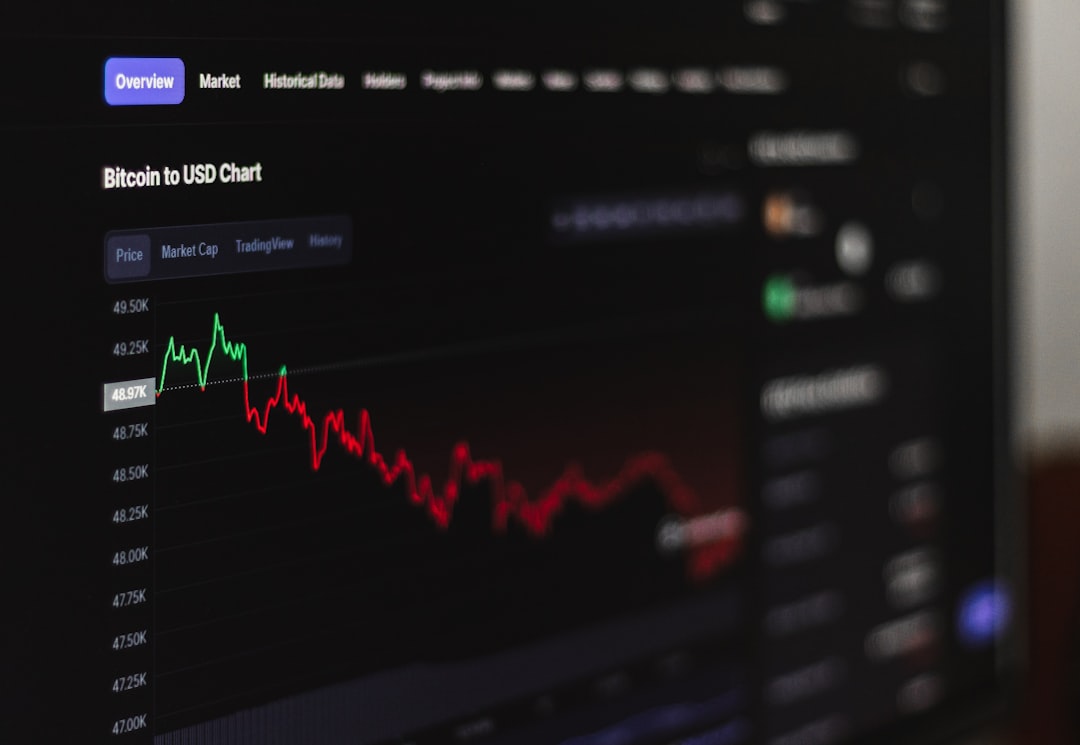
The world of Forex, or foreign exchange, is a vast and complex marketplace where individuals, businesses, and institutions trade currencies with the aim of making a profit. With a daily trading volume of over $6 trillion, the Forex market is the largest and most liquid financial market in the world. But what exactly is Forex, and how can you get started in this exciting and potentially lucrative field? In this comprehensive guide, we’ll delve into the world of Forex, exploring its basics, benefits, and strategies for success.
What is Forex and How Does it Work?
Forex, also known as FX, is the market where individuals, businesses, and institutions trade currencies. The goal of Forex trading is to exchange one currency for another in the hopes of making a profit. The exchange rate between two currencies is determined by supply and demand in the market, with a wide range of factors influencing these rates, including economic indicators, geopolitical events, and market sentiment. For example, if you believe the value of the euro will increase against the US dollar, you can buy euros and sell them when the exchange rate rises, pocketing the difference as profit.
To get started in Forex, you’ll need to open an account with a reputable online broker, such as MetaTrader or cTrader. These platforms provide access to real-time market data, charts, and analysis tools, as well as the ability to execute trades with the click of a button. With leverage, or borrowed capital, you can control larger positions with a smaller amount of capital, amplifying potential gains – but also increasing risk. It’s essential to understand the risks involved in Forex trading and to develop a solid strategy before entering the market.
Benefits of Forex Trading
So why do so many individuals and institutions trade Forex? The benefits are numerous, and they include:
Liquidity: The Forex market is highly liquid, with trillions of dollars changing hands every day. This means you can enter and exit trades quickly, without significantly affecting the market price.
Flexibility: With Forex, you can trade 24/5, from Sunday evening to Friday evening, allowing you to react to market movements as they happen.
Diversification: By trading currencies, you can diversify your investment portfolio, reducing dependence on any one asset class or market.
Leverage: With leverage, you can control larger positions with a smaller amount of capital, potentially amplifying gains – but also increasing risk.
However, it’s essential to remember that Forex trading carries significant risks, including market volatility, leverage, and liquidity risks. To mitigate these risks, it’s crucial to develop a solid trading strategy, based on thorough research, analysis, and risk management techniques.
Successful Forex Trading Strategies
So how can you succeed in the world of Forex? Here are some strategies to get you started:
Technical Analysis: This involves studying charts and patterns to identify trends and predict future price movements. Popular technical indicators include moving averages, relative strength index (RSI), and Bollinger Bands.
Fundamental Analysis: This involves analyzing economic indicators, such as GDP, inflation, and interest rates, to predict future exchange rate movements.
Range Trading: This involves identifying overbought and oversold areas in the market and trading within established ranges.
Scalping: This involves making multiple small trades in a short period, taking advantage of small price movements.
To develop a successful Forex trading strategy, it’s essential to:
Set clear goals: Define your risk tolerance, investment horizon, and profit targets.
Conduct thorough research: Stay up-to-date with market news, analysis, and trends.
Use risk management techniques: Set stop-loss orders, limit positions, and avoid over-leveraging.
Stay disciplined: Stick to your strategy, avoiding impulsive decisions based on emotions.
Advanced Forex Trading Techniques
For more experienced traders, there are a range of advanced techniques to explore, including:
Automated Trading: Using algorithms and expert advisors to automate trading decisions.
Social Trading: Copying the trades of experienced traders, or sharing your own trading strategies with others.
Cryptocurrency Trading: Trading cryptocurrencies, such as Bitcoin and Ethereum, against traditional currencies.
These advanced techniques can offer significant benefits, including increased efficiency, reduced risk, and improved performance. However, they also require a deeper understanding of the Forex market, as well as the ability to develop and implement complex trading strategies.
Conclusion and Key Takeaways
In conclusion, Forex trading offers a world of opportunities for individuals, businesses, and institutions looking to profit from currency fluctuations. By understanding the basics of Forex, developing a solid trading strategy, and staying up-to-date with market trends and analysis, you can navigate the world of Forex with confidence. Remember to always prioritize risk management, discipline, and patience, and never stop learning and improving your skills.
Key takeaways from this guide include:
Forex is a complex and liquid market, requiring thorough research, analysis, and risk management.
Successful Forex trading strategies involve technical analysis, fundamental analysis, range trading, and scalping.
Risk management techniques, such as stop-loss orders and position limits, are essential for mitigating risk.
Advanced Forex trading techniques, such as automated trading and social trading, can offer significant benefits for experienced traders.
By following these key takeaways and continuing to educate yourself on the world of Forex, you’ll be well on your way to becoming a successful and profitable Forex trader. Happy trading!