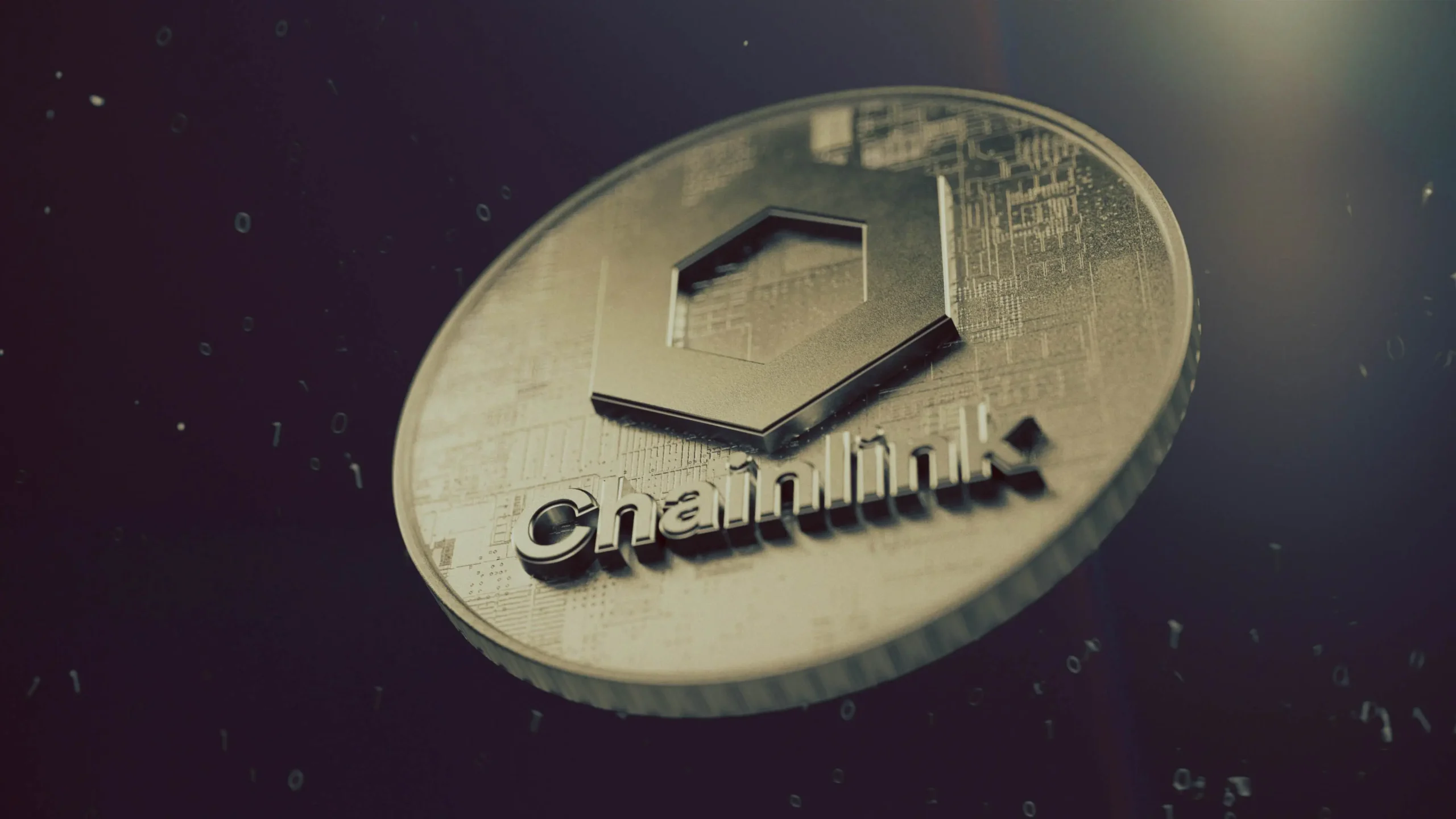
As the world of blockchain and cryptocurrency continues to evolve, one of the most significant challenges facing developers and users alike is the need for reliable, trustworthy, and decentralized data sources. This is where Chainlink (LINK) comes in – a revolutionary network that’s changing the game by providing a secure and transparent way to connect smart contracts with real-world data. In this article, we’ll delve into the world of Chainlink, exploring its history, technology, use cases, and the potential impact it could have on the future of blockchain and beyond.
Introduction to Chainlink: The Decentralized Oracle Network
Chainlink is a decentralized oracle network that enables smart contracts to access external data sources, such as market prices, weather data, or sports scores, in a secure and reliable manner. Founded in 2017 by Sergey Nazarov, Chainlink has quickly become one of the most widely-used and respected oracle networks in the blockchain ecosystem. By providing a decentralized and trustless way to connect smart contracts with off-chain data, Chainlink is helping to unlock the full potential of blockchain technology and enable the creation of more sophisticated and complex decentralized applications (dApps).
At its core, Chainlink is a network of independent nodes that provide data to smart contracts on-demand. These nodes are incentivized to provide accurate and reliable data through a reputation system and economic rewards, ensuring that the data provided is trustworthy and tamper-proof. This decentralized approach to data provision is a major improvement over traditional, centralized oracle solutions, which can be vulnerable to single points of failure and manipulation. By using Chainlink, developers can build more robust and resilient dApps that are better equipped to handle the complexities of the real world.
The Technology Behind Chainlink: How it Works
So, how does Chainlink actually work? The process is relatively straightforward. When a smart contract requires external data, it sends a request to the Chainlink network, specifying the type of data it needs and the parameters for the request. The request is then broadcast to the network, where it is received by a group of node operators who are responsible for providing the requested data. These node operators compete to provide the most accurate and reliable data, with the winner being selected through a voting process.
Once the data has been selected, it is aggregated and transmitted back to the smart contract, where it can be used to trigger specific actions or execute complex logic. The node operator who provided the winning data is then rewarded with LINK tokens, which can be used to participate in the network and provide more data in the future. This incentivization mechanism is a key component of the Chainlink network, as it ensures that node operators are motivated to provide high-quality data and maintain the integrity of the network.
In addition to its core functionality, Chainlink also supports a range of advanced features, including data aggregation, data manipulation, and even the ability to create custom oracles for specific use cases. This flexibility and customizability make Chainlink an attractive solution for developers who need to integrate external data into their dApps, and has helped to establish the network as a leader in the decentralized oracle space.
Use Cases for Chainlink: Real-World Applications
So, what kinds of use cases is Chainlink suitable for? The answer is – a wide range of applications! From decentralized finance (DeFi) and gaming to supply chain management and IoT (Internet of Things) devices, Chainlink’s decentralized oracle network can be used to provide reliable and trustworthy data to smart contracts. Here are a few examples of real-world use cases for Chainlink:
Decentralized Finance (DeFi): Chainlink can be used to provide market data, such as prices and trading volumes, to DeFi applications like lending protocols and stablecoins.
Gaming: Chainlink can be used to generate random numbers for gaming applications, or to provide real-world data, such as sports scores or weather data, to enhance the gaming experience.
Supply Chain Management: Chainlink can be used to track the movement and condition of goods in real-time, enabling more efficient and effective supply chain management.
IoT (Internet of Things): Chainlink can be used to connect IoT devices with blockchain-based applications, enabling the creation of more sophisticated and autonomous systems.
These are just a few examples of the many use cases for Chainlink. By providing a secure and reliable way to connect smart contracts with external data sources, Chainlink is helping to unlock the full potential of blockchain technology and enable the creation of more complex and sophisticated dApps.
The Future of Chainlink: What’s Next for the Decentralized Oracle Network
As the blockchain ecosystem continues to evolve, it’s likely that Chainlink will play an increasingly important role in the development of decentralized applications. With its secure, reliable, and decentralized approach to data provision, Chainlink is well-positioned to become a leading player in the oracle network space. But what’s next for Chainlink? Here are a few potential developments that could shape the future of the network:
Increased Adoption: As more developers and users become aware of the benefits of Chainlink, it’s likely that adoption will increase, driving growth and development of the network.
New Use Cases: As the blockchain ecosystem continues to evolve, new use cases for Chainlink are likely to emerge, driving innovation and experimentation.
Partnerships and Collaborations: Chainlink may form partnerships and collaborations with other blockchain projects and companies, expanding its reach and capabilities.
Technical Advancements: The Chainlink team may continue to develop and refine the network’s technology, improving its performance, security, and usability.
In conclusion, Chainlink is a powerful and flexible decentralized oracle network that’s changing the game for blockchain developers and users. By providing a secure, reliable, and decentralized way to connect smart contracts with external data sources, Chainlink is helping to unlock the full potential of blockchain technology and enable the creation of more sophisticated and complex dApps. Whether you’re a developer, investor, or simply a curious observer, Chainlink is definitely worth keeping an eye on – it’s an exciting project with a bright future ahead.