As the world grapples with the challenges of climate change, energy security, and economic instability, the price of oil has become a critical factor in shaping the global economy. With oil prices fluctuating wildly over the past few years, it’s essential to understand the current market trends, factors influencing price movements, and what the future holds for this vital commodity. In this comprehensive guide, we’ll delve into the world of oil prices, exploring the current state of the market, the key drivers of price volatility, and the implications for consumers, investors, and the environment.
Understanding the Current Oil Price Landscape
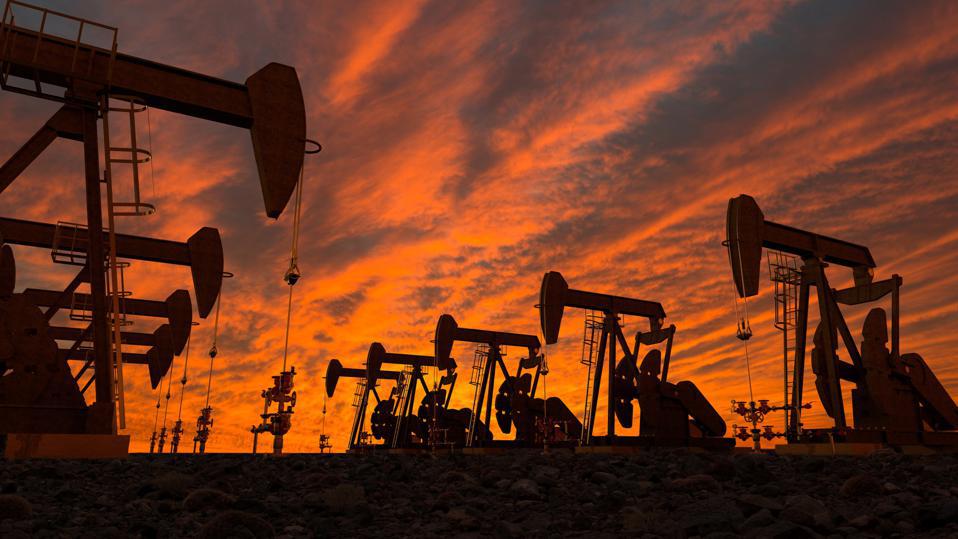
The current oil price landscape is characterized by a complex interplay of supply and demand factors, geopolitical events, and market speculation. As of now, the global benchmark Brent crude oil price is hovering around $60 per barrel, down from its peak of over $100 per barrel in 2014. The decline in oil prices has been driven by a combination of factors, including the COVID-19 pandemic, which has reduced global demand for oil, and the rise of shale oil production in the United States, which has increased global supply.
One of the primary drivers of oil price volatility is the Organization of the Petroleum Exporting Countries (OPEC), which produces approximately 40% of the world’s oil. OPEC’s decisions to cut or increase production have a significant impact on global oil prices, as they can influence the balance between supply and demand. Additionally, geopolitical events, such as conflicts in the Middle East, can disrupt oil supplies and drive up prices.
Factors Influencing Oil Price Movements
Several factors contribute to the fluctuations in oil prices, including:
Supply and demand imbalance: When global demand for oil exceeds supply, prices tend to rise, and vice versa. Factors such as economic growth, population expansion, and urbanization can drive up demand for oil.
Geopolitical events: Conflicts, sanctions, and other geopolitical events can disrupt oil supplies, leading to price increases.
Currency fluctuations: Changes in currency exchange rates, particularly the US dollar, can impact oil prices, as most oil transactions are conducted in dollars.
Speculation and market sentiment: Investor sentiment and speculation can also influence oil prices, as traders buy and sell oil futures contracts based on their expectations of future price movements.
Weather and natural disasters: Extreme weather events, such as hurricanes, can disrupt oil production and refining, leading to price spikes.
To navigate the complex world of oil prices, it’s essential to stay up-to-date with the latest market trends and analysis. Investors, consumers, and businesses can benefit from monitoring oil price news, expert forecasts, and market data to make informed decisions.
The Impact of Oil Prices on the Environment and Economy
The price of oil has significant implications for the environment and the economy. On one hand, lower oil prices can stimulate economic growth by reducing the cost of energy and transportation, making goods and services more affordable for consumers. On the other hand, low oil prices can also discourage investment in renewable energy sources, such as solar and wind power, which are essential for reducing greenhouse gas emissions and mitigating climate change.
Moreover, the extraction, transportation, and burning of oil have devastating environmental consequences, including air and water pollution, deforestation, and habitat destruction. The oil and gas industry is also a significant contributor to greenhouse gas emissions, accounting for around 40% of global carbon emissions.
As the world transitions towards a low-carbon economy, it’s crucial to consider the impact of oil prices on the environment and the economy. Governments, businesses, and individuals must work together to promote sustainable energy solutions, reduce energy consumption, and invest in clean technologies to mitigate the effects of climate change.
Future Trends and Outlook
Looking ahead, the oil price landscape is likely to remain volatile, with several factors influencing price movements. Some of the key trends and outlooks include:
Increasing demand from emerging markets: As emerging economies, such as China and India, continue to grow, their demand for oil is likely to increase, driving up prices.
Rise of electric vehicles: The growing adoption of electric vehicles (EVs) could reduce demand for oil, leading to lower prices.
Shale oil production: The continued growth of shale oil production in the United States could increase global supply, putting downward pressure on prices.
OPEC’s production cuts: OPEC’s decisions to cut or increase production will remain a critical factor in shaping oil prices.
To navigate the uncertain world of oil prices, investors, consumers, and businesses must stay informed about market trends, analysis, and expert forecasts. By understanding the complex factors influencing oil price movements, we can make more informed decisions about energy consumption, investment, and sustainability.
In conclusion, the current oil price landscape is characterized by volatility, uncertainty, and a complex interplay of supply and demand factors. As we move forward, it’s essential to consider the implications of oil prices on the environment and the economy, promoting sustainable energy solutions and reducing our reliance on fossil fuels. By staying up-to-date with the latest market trends and analysis, we can navigate the challenges and opportunities presented by the volatile world of oil prices.
Key takeaways:
Oil prices are influenced by a complex interplay of supply and demand factors, geopolitical events, and market speculation.
The current oil price landscape is characterized by volatility, with prices fluctuating wildly over the past few years.
The impact of oil prices on the environment and the economy is significant, with implications for climate change, energy security, and economic growth.
Future trends and outlooks include increasing demand from emerging markets, the rise of electric vehicles, shale oil production, and OPEC’s production cuts.
Staying informed about market trends, analysis, and expert forecasts is crucial for making informed decisions about energy consumption, investment, and sustainability.