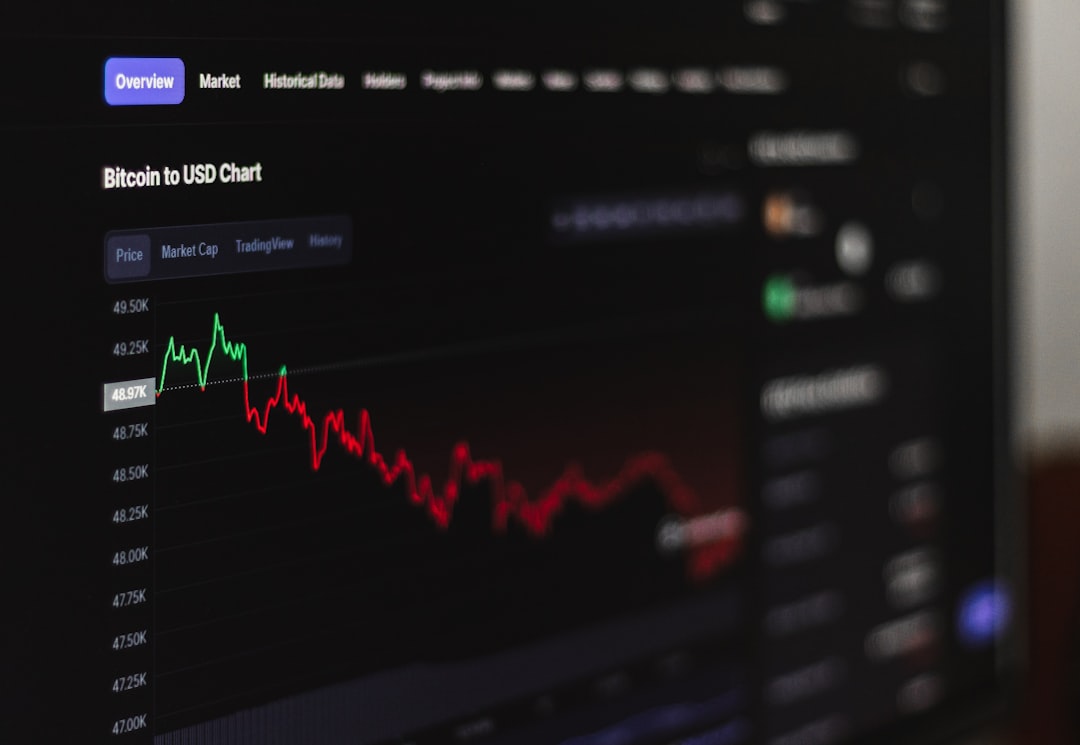
The foreign exchange market is a vast and complex landscape, with numerous currency pairs to navigate. Among these, the USD/JPY (US Dollar/Japanese Yen) pair stands out as one of the most widely traded and closely watched. With its unique dynamics and significant impact on global markets, understanding the USD/JPY is crucial for traders, investors, and anyone interested in the world of finance. In this comprehensive guide, we’ll delve into the intricacies of the USD/JPY, exploring its history, factors influencing its value, trading strategies, and the role of economic indicators in forecasting its movements.
Introduction to USD/JPY: History and Significance
The USD/JPY is a major currency pair that represents the exchange rate between the US Dollar (USD) and the Japanese Yen (JPY). This pair is often considered a benchmark for the health of the global economy, given the significant trade relationships between the United States and Japan, two of the world’s largest economies. The history of the USD/JPY is marked by periods of significant volatility, influenced by economic policies, trade balances, and geopolitical events. For instance, the Plaza Accord in 1985, aimed at depreciating the US Dollar against the Yen to address trade imbalances, had a profound impact on the pair, leading to a sharp appreciation of the Yen.
Understanding the historical context and the current economic climate is essential for traders looking to capitalize on the USD/JPY’s movements. The pair’s volatility makes it attractive for speculative trading, with many traders employing technical analysis and fundamental analysis to predict future price movements. Technical analysis involves studying charts and patterns to forecast future price movements, while fundamental analysis looks at economic indicators, news, and events that could impact the currency pair.
Factors Influencing the USD/JPY
Several factors contribute to the fluctuation of the USD/JPY exchange rate. One of the primary influencers is the interest rate differential between the United States and Japan. When the Federal Reserve (the central bank of the United States) raises interest rates, it can make the US Dollar more attractive to investors seeking higher returns, potentially strengthening the Dollar against the Yen. Conversely, if the Bank of Japan (BOJ) adopts a more dovish monetary policy, keeping interest rates low, it might weaken the Yen against the Dollar.
Another significant factor is the trade balance between the two countries. A trade deficit in the US, which means importing more from Japan than exporting to it, can lead to an increase in demand for the Yen to pay for these imports, thereby strengthening the Yen. On the other hand, a trade surplus for the US would have the opposite effect, potentially weakening the Yen.
Economic indicators, such as GDP growth rates, inflation rates, and employment figures, also play a crucial role in determining the value of the USD/JPY. A strong economy in the US, indicated by high GDP growth and low unemployment, can attract foreign investment, causing the Dollar to appreciate. Meanwhile, Japan’s economic health, particularly its efforts to combat deflation, influences the Yen’s value. The BOJ’s monetary policy decisions, aimed at stimulating the Japanese economy, can significantly impact the USD/JPY exchange rate.
Trading Strategies for the USD/JPY
Trading the USD/JPY requires a deep understanding of the market dynamics and the ability to analyze both technical and fundamental factors. Here are a few strategies that traders often employ:
1. Technical Analysis: This involves using charts and technical indicators to identify trends, patterns, and potential reversal points. Popular indicators include moving averages, the Relative Strength Index (RSI), and Bollinger Bands. Traders may look for patterns like the head and shoulders or triangles to predict future price movements.
2. Fundamental Analysis: This strategy focuses on the economic, financial, and political news and events that could affect the exchange rate. Traders keep a close eye on interest rate decisions, economic indicators, and political developments in both the US and Japan.
3. Range Trading: Given the USD/JPY’s tendency to trade within specific ranges for extended periods, range trading can be an effective strategy. Traders identify the upper and lower bounds of the range and buy at the lower end, selling at the upper end, aiming to profit from the pair’s tendency to revert to its mean.
4. Breakout Trading: This involves identifying key levels of support and resistance and trading on the breakout when the price moves beyond these levels. The idea is to catch the beginning of a significant trend, which can lead to substantial profits.
The Role of Economic Indicators in Forecasting USD/JPY Movements
Economic indicators are vital tools for forecasting the movements of the USD/JPY. Some of the key indicators to watch include:
Non-Farm Payroll (NFP): Released monthly, the NFP is a significant indicator of the US labor market’s health. A strong NFP report can lead to a strengthening of the US Dollar.
GDP Growth Rate: Both the US and Japan’s GDP growth rates are closely watched. A higher growth rate in the US compared to Japan can lead to a stronger Dollar.
Inflation Rates: The Core Consumer Price Index (CPI) in both countries is an important indicator of inflation. Higher inflation in the US could lead to higher interest rates, strengthening the Dollar.
Interest Rate Decisions: The Federal Reserve’s and the Bank of Japan’s interest rate decisions are pivotal. Higher interest rates in the US can attract foreign investors, causing the Dollar to appreciate against the Yen.
Conclusion: Key Takeaways for Trading the USD/JPY
The USD/JPY is a complex and dynamic currency pair, influenced by a myriad of economic, political, and social factors. To successfully trade this pair, one must be well-versed in both technical and fundamental analysis, staying abreast of the latest economic indicators and news. Here are the key takeaways:
Stay Informed: Keep up-to-date with economic news, especially interest rate decisions, trade balances, and significant economic indicators from both the US and Japan.
Analyze Technically: Use charts and technical indicators to identify trends and patterns that can guide your trading decisions.
Employ a Trading Strategy: Whether it’s range trading, breakout trading, or another strategy, having a clear plan based on your analysis is crucial.
Manage Risk: The foreign exchange market can be volatile. Always use appropriate risk management techniques to protect your investments.
In conclusion, navigating the waters of the USD/JPY requires dedication, continuous learning, and a disciplined approach to trading. By understanding the historical context, the factors that influence the pair, and employing effective trading strategies, traders can unlock the potential of the USD/JPY and achieve their financial goals. Whether you’re a seasoned trader or just beginning your journey, the USD/JPY offers a challenging yet rewarding landscape to explore.