As the sun sets over the bustling streets of financial districts around the world, investors and traders alike turn their attention to one of the most coveted and enduring assets in the market: gold. With its allure of stability, wealth preservation, and potential for growth, gold has been a cornerstone of investment portfolios for centuries. But what makes gold so special, and how can you harness its value in today’s fast-paced financial landscape? In this article, we’ll delve into the world of gold, exploring its history, market dynamics, investment opportunities, and more, to help you make informed decisions about this precious metal.
Introduction to Gold (XAU)
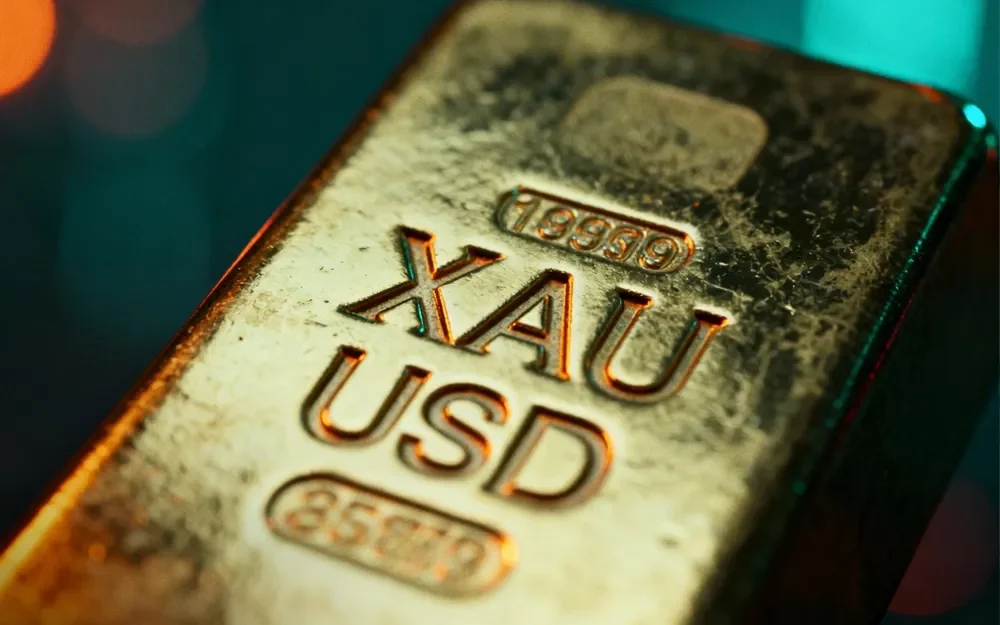
Gold, denoted by the symbol XAU, is a chemical element with the atomic number 79. It’s a soft, yellow, dense metal that’s highly valued for its rarity, durability, and versatility. Gold has been a store of value, a medium of exchange, and a symbol of wealth throughout human history, with its first recorded use dating back to ancient civilizations around 40,000 BCE. Today, gold is not only a highly sought-after investment asset but also a crucial component in various industries, including jewelry, electronics, and dentistry. The gold market is influenced by a complex array of factors, including supply and demand, inflation, interest rates, and geopolitical events, making it a fascinating and dynamic space for investors to explore.
Gold Market Dynamics and Price Factors
The gold market is subject to a unique set of dynamics that influence its price and overall performance. One of the primary drivers of gold prices is the balance between supply and demand. The supply of gold comes from mining production, recycling, and central bank sales, while demand is fueled by jewelry fabrication, industrial applications, and investment. The interplay between these forces can lead to fluctuations in gold prices, making it essential for investors to stay informed about market trends and developments. Other key factors that impact gold prices include inflation, interest rates, and currency fluctuations. During periods of high inflation, gold is often sought as a hedge, driving up its price. Conversely, rising interest rates can make gold less attractive, as investors may opt for higher-yielding assets. The value of the US dollar also plays a significant role, as a weaker dollar can boost gold prices, and vice versa.
Investing in Gold (XAU)
Investing in gold can be an excellent way to diversify your portfolio, mitigate risk, and potentially generate returns. There are several ways to invest in gold, each with its own set of advantages and considerations. One of the most popular methods is buying physical gold, such as coins or bars, which can be stored in a safe or a deposit box. Another option is investing in gold exchange-traded funds (ETFs), which track the price of gold and provide exposure to the metal without the need for physical storage. Gold mining stocks and mutual funds are also available, offering a way to invest in the equity of gold mining companies. Additionally, investors can trade gold futures and options, which allow for speculation on gold price movements. It’s crucial to understand the risks and rewards associated with each investment vehicle and to develop a strategy that aligns with your financial goals and risk tolerance.
Gold in the Digital Age: Cryptocurrencies and Blockchain
The rise of cryptocurrencies and blockchain technology has opened up new avenues for investing in gold. Gold-backed cryptocurrencies, such as gold-pegged stablecoins, allow investors to hold a digital representation of gold, which can be stored, transferred, and traded with ease. These innovations have made it possible to access gold in a more convenient, secure, and transparent manner, potentially increasing its appeal to a wider range of investors. Moreover, blockchain technology is being used to enhance the transparency and accountability of gold supply chains, ensuring that gold is sourced responsibly and ethically. As the digital landscape continues to evolve, it’s likely that we’ll see even more innovative applications of gold and blockchain technology, further expanding the possibilities for investors and enthusiasts alike.
Conclusion and Key Takeaways
In conclusion, gold (XAU) is a complex and fascinating asset that offers a unique combination of stability, growth potential, and diversification benefits. Whether you’re a seasoned investor or just starting to explore the world of gold, it’s essential to stay informed about market trends, price factors, and investment opportunities. By understanding the dynamics of the gold market and the various ways to invest in gold, you can make informed decisions that align with your financial goals and risk tolerance. Remember to always do your research, consult with experts if needed, and maintain a balanced portfolio to maximize your returns and minimize your risks. As you navigate the captivating world of gold, keep in mind the following key takeaways:
Gold is a store of value, a medium of exchange, and a symbol of wealth with a rich history.
The gold market is influenced by supply and demand, inflation, interest rates, and geopolitical events.
There are various ways to invest in gold, including physical gold, ETFs, mining stocks, and futures.
Gold-backed cryptocurrencies and blockchain technology are revolutionizing the way we access and interact with gold.
A well-diversified portfolio that includes gold can help mitigate risk and potentially generate returns.
By embracing the allure of gold and staying up-to-date with market developments, you can unlock the full potential of this precious metal and make informed decisions that support your long-term financial success. Whether you’re seeking to preserve wealth, generate returns, or simply explore the fascinating world of gold, this comprehensive guide has provided you with a solid foundation to build upon. As you continue on your journey, remember to stay curious, adapt to changing market conditions, and always keep a keen eye on the shimmering allure of gold.