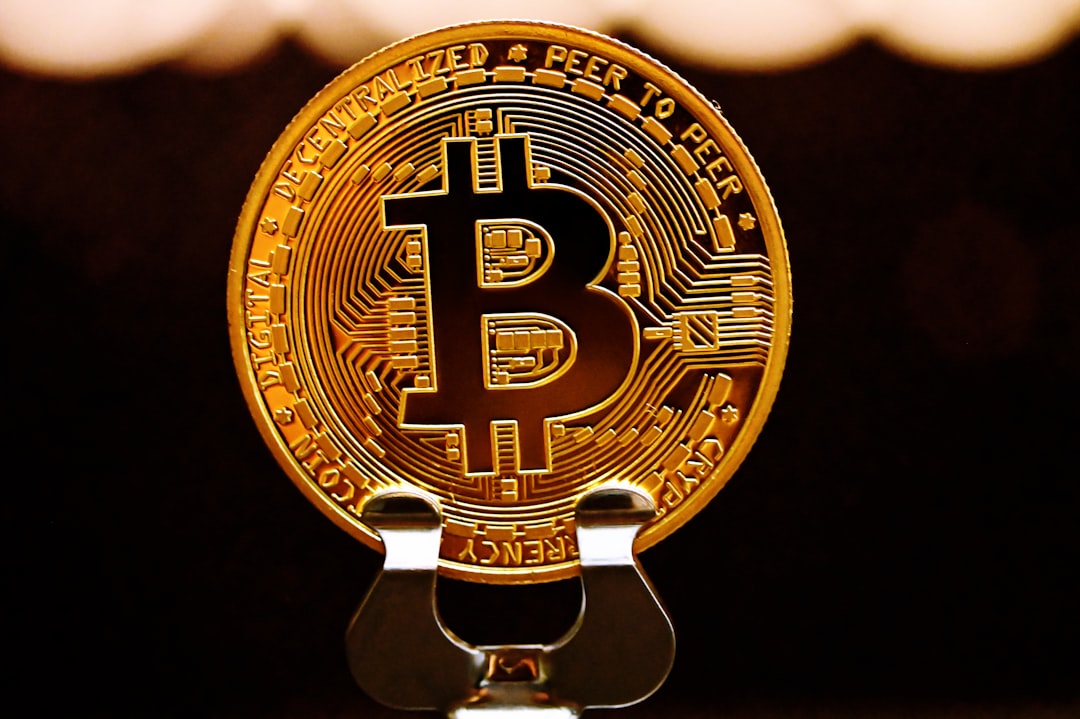
As the world becomes increasingly digital, the way we think about money is changing. Gone are the days of traditional currencies and brick-and-mortar banks. In their place, a new era of digital currencies has emerged, led by the pioneering cryptocurrency, Bitcoin (BTC). With its decentralized nature, limited supply, and potential for explosive growth, Bitcoin has captured the imagination of investors, entrepreneurs, and individuals alike. But what exactly is Bitcoin, and how can you get involved in this revolutionary new asset class? In this comprehensive guide, we’ll delve into the world of Bitcoin, exploring its history, mechanics, investment potential, and more.
Introduction to Bitcoin: A Brief History
Bitcoin was first introduced in 2009 by an anonymous individual or group of individuals using the pseudonym Satoshi Nakamoto. The idea behind Bitcoin was to create a decentralized digital currency that would allow for peer-to-peer transactions without the need for intermediaries like banks. The Bitcoin whitepaper, published by Nakamoto, outlined the core principles of the cryptocurrency, including its use of blockchain technology, cryptography, and a decentralized network of nodes to validate transactions. Since its launch, Bitcoin has grown from a niche interest to a global phenomenon, with a market capitalization of over $1 trillion and a growing ecosystem of developers, investors, and users.
How Bitcoin Works: A Technical Overview
So, how does Bitcoin actually work? At its core, Bitcoin is a digital currency that uses cryptography to secure and verify transactions. The Bitcoin network is maintained by a decentralized network of nodes, which work together to validate transactions and create new blocks of transactions, known as the blockchain. The blockchain is a public ledger that contains a record of all Bitcoin transactions, allowing users to track the movement of funds and ensuring the integrity of the network. Bitcoin mining, which involves solving complex mathematical equations to validate transactions and create new blocks, is rewarded with a certain number of newly minted Bitcoins, currently set at 6.25 BTC per block. This process, known as the halving, occurs every 210,000 blocks, or approximately every four years, and is designed to control the supply of new Bitcoins and prevent inflation.
Investing in Bitcoin: A Guide for Beginners
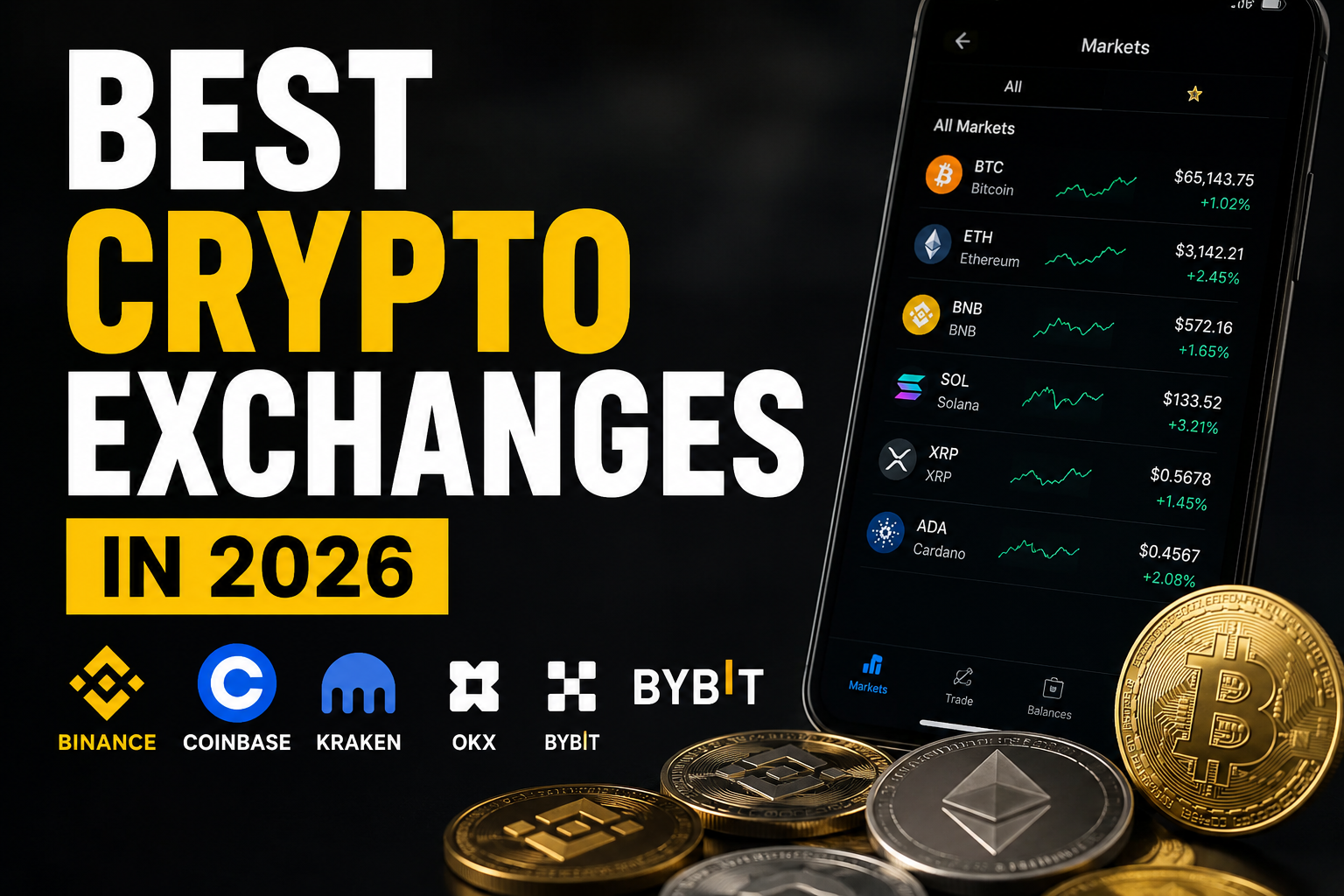
Investing in Bitcoin can seem daunting, especially for those new to the world of cryptocurrency. However, with the right knowledge and approach, investing in Bitcoin can be a straightforward and potentially lucrative experience. The first step is to choose a reputable exchange or brokerage platform, such as Coinbase, Binance, or Kraken, which will allow you to buy, sell, and store your Bitcoins. It’s also essential to understand the different types of Bitcoin investments, including spot trading, futures contracts, and exchange-traded funds (ETFs). Spot trading involves buying and selling Bitcoins on the spot market, while futures contracts allow investors to bet on the future price of Bitcoin. ETFs, on the other hand, provide a more traditional investment vehicle for those looking to gain exposure to the Bitcoin market. Additionally, investors should be aware of the risks associated with Bitcoin, including price volatility, regulatory uncertainty, and security risks, such as hacking and theft.
Bitcoin Security: Best Practices for Protecting Your Assets
As with any valuable asset, security is a top priority when it comes to Bitcoin. The decentralized nature of the Bitcoin network means that there is no central authority to turn to in the event of a security breach or theft. Therefore, it’s essential to take proactive steps to protect your Bitcoin assets. One of the most effective ways to secure your Bitcoins is to use a hardware wallet, such as a Trezor or Ledger, which stores your private keys offline and provides an additional layer of protection against hacking and theft. It’s also crucial to use strong passwords and enable two-factor authentication (2FA) whenever possible. Furthermore, investors should be cautious of phishing scams and other types of social engineering attacks, which can be used to trick individuals into revealing their private keys or other sensitive information.
The Future of Bitcoin: Trends and Predictions
As the world’s first cryptocurrency, Bitcoin has paved the way for a new era of digital currencies and blockchain-based applications. But what does the future hold for Bitcoin? One of the most significant trends in the Bitcoin space is the growing adoption of institutional investors, such as pension funds and endowments, which are increasingly looking to Bitcoin as a hedge against inflation and a store of value. Another trend is the development of decentralized finance (DeFi) applications, which are built on top of the Bitcoin blockchain and provide a range of financial services, including lending, borrowing, and trading. In terms of price predictions, it’s difficult to say with certainty where Bitcoin will go from here, but many experts believe that the cryptocurrency has the potential to reach new heights, possibly even surpassing $100,000 per coin.
In conclusion, Bitcoin is a complex and multifaceted asset that offers a range of opportunities and challenges for investors, entrepreneurs, and individuals. Whether you’re looking to invest in Bitcoin, use it as a form of payment, or simply learn more about this revolutionary new technology, this comprehensive guide has provided you with the knowledge and insights you need to navigate the world of Bitcoin. Remember to always prioritize security, stay up-to-date with the latest trends and developments, and approach investing in Bitcoin with a clear understanding of the risks and potential rewards. With its decentralized nature, limited supply, and potential for explosive growth, Bitcoin is an asset that’s sure to continue making headlines in the years to come. Key takeaways include:
Bitcoin is a decentralized digital currency that uses cryptography to secure and verify transactions.
The Bitcoin network is maintained by a decentralized network of nodes, which work together to validate transactions and create new blocks.
Investing in Bitcoin can be a potentially lucrative experience, but it’s essential to understand the risks and challenges associated with the cryptocurrency.
Security is a top priority when it comes to Bitcoin, and investors should take proactive steps to protect their assets, such as using hardware wallets and strong passwords.
The future of Bitcoin is uncertain, but many experts believe that the cryptocurrency has the potential to reach new heights and play a major role in the development of decentralized finance and other blockchain-based applications.