Are you ready to dive into the world of cryptocurrency and explore one of the most exciting and rapidly evolving digital assets on the market? Look no further than XRP, the cryptocurrency that’s been making waves in the financial world with its lightning-fast transaction times and unparalleled scalability. In this comprehensive guide, we’ll take a deep dive into the world of XRP, exploring its history, technology, use cases, and future prospects. Whether you’re a seasoned crypto enthusiast or just starting to learn about the world of digital currency, this guide is designed to provide you with a thorough understanding of XRP and its potential to revolutionize the way we think about money.
Introduction to XRP: A Brief History
XRP, also known as Ripple, was first introduced in 2012 by Jed McCaleb, Arthur Britto, and David Schwartz. Initially, the cryptocurrency was designed to facilitate cross-border payments and provide a faster, more efficient alternative to traditional payment systems. With its unique distributed ledger technology, XRP enables transactions to be processed in just a few seconds, making it one of the fastest cryptocurrencies on the market. But what really sets XRP apart is its ability to handle a high volume of transactions per second, making it an attractive solution for businesses and financial institutions looking to process large numbers of transactions quickly and efficiently.
One of the key factors that has contributed to XRP’s success is its focus on scalability. Unlike other cryptocurrencies, which often struggle with slow transaction times and high fees, XRP is designed to handle a large volume of transactions without sacrificing speed or efficiency. This has made it an attractive solution for companies looking to use blockchain technology to process payments, and has helped to establish XRP as one of the leading cryptocurrencies on the market. With its strong focus on scalability and usability, XRP is well-positioned to play a major role in the future of cryptocurrency and blockchain technology.
How XRP Works: A Technical Overview
So, how does XRP actually work? At its core, XRP is a distributed ledger technology that uses a unique consensus protocol to validate transactions. This protocol, known as the Ripple Protocol Consensus (RPC), allows for fast and efficient transaction processing, with transactions typically being processed in just a few seconds. But what really sets XRP apart is its use of a novel consensus algorithm, which allows for a high degree of scalability and flexibility.
One of the key advantages of XRP’s consensus algorithm is its ability to handle a high volume of transactions per second. This is made possible by the use of a unique “federated consensus” model, which allows for a high degree of decentralization and flexibility. With this model, transactions are validated by a network of nodes, which work together to ensure the integrity and accuracy of the ledger. This approach allows for a high degree of scalability and flexibility, making it possible for XRP to handle a large volume of transactions without sacrificing speed or efficiency.
In addition to its novel consensus algorithm, XRP also uses a unique “gateways” system to facilitate transactions. These gateways, which are essentially bridges between different payment systems, allow for the seamless transfer of funds between different currencies and payment systems. This has made XRP an attractive solution for companies looking to use blockchain technology to process payments, and has helped to establish XRP as one of the leading cryptocurrencies on the market.
Use Cases for XRP: Real-World Applications
So, what are some of the real-world applications for XRP? One of the most exciting use cases for XRP is in the area of cross-border payments. With its ability to process transactions quickly and efficiently, XRP is ideally suited for use in international payments, where traditional payment systems often struggle with slow transaction times and high fees. By using XRP, companies can reduce the cost and complexity of cross-border payments, making it easier and more efficient to do business internationally.
Another area where XRP is being used is in the area of supply chain management. With its ability to track and verify transactions in real-time, XRP is ideally suited for use in supply chain management, where companies need to be able to track the movement of goods and materials in real-time. By using XRP, companies can increase the efficiency and transparency of their supply chains, making it easier to manage inventory and track the movement of goods.
XRP is also being used in the area of micropayments, where its ability to process small transactions quickly and efficiently makes it an attractive solution for companies looking to process large numbers of small transactions. With its low transaction fees and fast processing times, XRP is ideally suited for use in micropayments, where traditional payment systems often struggle with high fees and slow transaction times.
Investing in XRP: A Guide for Beginners
If you’re interested in investing in XRP, there are a few things you should know before getting started. First, it’s essential to understand the basics of cryptocurrency investing, including the risks and rewards of investing in digital assets. With its high volatility and potential for rapid price swings, investing in cryptocurrency can be a high-risk, high-reward proposition.
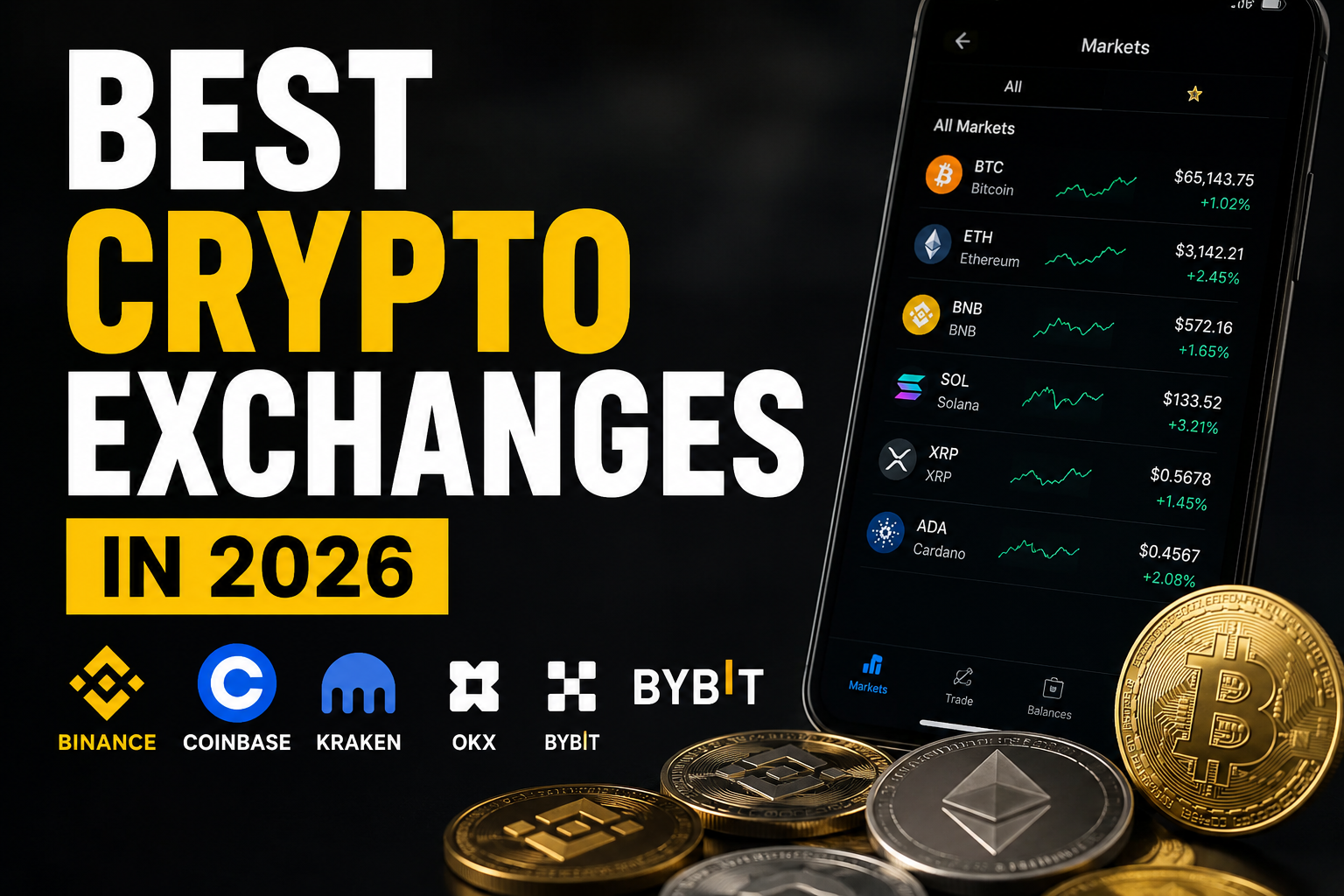
To get started with investing in XRP, you’ll need to open an account with a reputable cryptocurrency exchange. There are many exchanges to choose from, including popular options like Coinbase, Binance, and Kraken. Once you’ve opened an account, you can deposit funds and start buying and selling XRP.
One of the key things to keep in mind when investing in XRP is the importance of doing your research and staying up-to-date with market trends. With its high volatility and potential for rapid price swings, investing in XRP requires a high degree of caution and discipline. By staying informed and doing your research, you can make more informed investment decisions and reduce your risk of loss.
Conclusion: The Future of XRP
As we’ve seen, XRP is a powerful and versatile cryptocurrency that’s well-positioned to play a major role in the future of cryptocurrency and blockchain technology. With its unique distributed ledger technology, fast transaction times, and high degree of scalability, XRP is an attractive solution for companies looking to use blockchain technology to process payments and facilitate transactions.
As the cryptocurrency market continues to evolve and mature, it’s likely that we’ll see increased adoption and use of XRP in a variety of different contexts. Whether it’s in cross-border payments, supply chain management, or micropayments, XRP is well-positioned to play a major role in the future of cryptocurrency and blockchain technology.
So, what are the key takeaways from this guide to XRP? First, XRP is a powerful and versatile cryptocurrency that’s well-positioned to play a major role in the future of cryptocurrency and blockchain technology. Second, XRP has a unique distributed ledger technology that enables fast and efficient transaction processing, making it an attractive solution for companies looking to use blockchain technology to process payments and facilitate transactions. Finally, XRP has a high degree of scalability and flexibility, making it an attractive solution for companies looking to process large numbers of transactions quickly and efficiently.
By understanding the basics of XRP and its potential applications, you can make more informed investment decisions and stay ahead of the curve in the rapidly evolving world of cryptocurrency and blockchain technology. Whether you’re a seasoned crypto enthusiast or just starting to learn about the world of digital currency, this guide has provided you with a comprehensive overview of XRP and its potential to revolutionize the way we think about money.