Understanding Bitcoin in 2026 goes beyond mere speculation; it’s about grasping its fundamental technology, market dynamics, and its increasingly defined role within the global financial system. This article will provide a clear, evidence-backed overview of Bitcoin, exploring its core principles, how its underlying technology functions, the key factors influencing its value, and practical considerations for engaging with this prominent digital asset today. You’ll gain insights into its enduring relevance as a decentralized store of value and a foundational element of the broader cryptocurrency market.
Key Takeaways
Bitcoin remains a leading decentralized digital currency, valued for its scarcity and secure blockchain technology.
Its value is influenced by supply-side economics (halvings), market adoption, and evolving regulatory clarity.
Understanding its underlying technology, including blockchain and mining, is crucial for informed participation.
Engaging with Bitcoin requires secure acquisition and storage methods, alongside an awareness of market volatility.
What is Bitcoin and Why Does it Matter in 2026?
Bitcoin, introduced in 2009, stands as the world’s first decentralized digital currency, operating without a central bank or single administrator. In 2026, its significance is amplified by its proven resilience, increasing institutional acceptance, and its role as a hedge against traditional economic uncertainties. It represents a paradigm shift in how value can be transferred and stored digitally, independent of traditional financial intermediaries.
Decentralization and Scarcity: Bitcoin’s Core Pillars
At its heart, Bitcoin is defined by decentralization, meaning no single entity controls the network. This is achieved through a distributed ledger known as the blockchain. Furthermore, its supply is programmatically capped at 21 million coins, making it a scarce digital asset, often compared to digital gold. This inherent scarcity, combined with its resistance to censorship, underpins much of its long-term value proposition.
How Does Bitcoin Technology Work?
Bitcoin’s robust operation relies on a sophisticated technological framework that ensures security, transparency, and immutability. This system is designed to process transactions securely and maintain a consistent record across its global network.
The Blockchain Ledger
Transactions involving Bitcoin are recorded on a public, immutable ledger called the blockchain. Each ‘block’ contains a list of verified transactions, and once added, it’s cryptographically linked to the previous block, forming a continuous chain. This distributed ledger is maintained by a network of computers worldwide, ensuring transparency and preventing manipulation.
Mining and Network Security
New Bitcoin transactions are verified and added to the blockchain through a process known as ‘mining.’ Miners use powerful computers to solve complex computational puzzles, and the first to succeed adds the next block and earns newly minted Bitcoin as a reward. This Proof-of-Work mechanism not only secures the network from attacks but also controls the issuance of new coins, adhering to Bitcoin’s fixed supply schedule.
What Are the Key Factors Influencing Bitcoin’s Value?
Bitcoin’s value is not static; it’s a complex interplay of various economic, technological, and social factors. Understanding these influences is vital for anyone observing or participating in the market.
Supply-Side Dynamics and Halving Events
A crucial factor is Bitcoin’s unique supply mechanism, specifically the ‘halving’ events. Approximately every four years, the reward for mining new blocks is cut in half, reducing the rate at which new Bitcoin enters circulation. This engineered scarcity often precedes significant price movements, as reduced supply meets persistent or growing demand. The last halving occurred in 2024, and its long-term effects continue to be absorbed by the market.
Market Adoption and Regulatory Landscape
Growing adoption by institutional investors, corporations, and even nation-states significantly impacts Bitcoin’s perceived value and stability. Furthermore, regulatory clarity, such as the approval of spot Bitcoin Exchange Traded Funds (ETFs) in major markets, provides legitimacy and easier access for traditional investors. These developments signal a maturing asset class, though the global regulatory environment remains dynamic.
How Can You Engage with Bitcoin Today?
For those considering engaging with Bitcoin, prudence and education are paramount. The market has matured, but it still presents unique considerations compared to traditional assets.
Acquiring and Storing Bitcoin
Bitcoin can be acquired through various cryptocurrency exchanges, which facilitate buying and selling using traditional fiat currencies. Once acquired, secure storage is critical. Options range from ‘hot wallets’ (online, connected to the internet) for convenience, to ‘cold wallets’ (offline hardware devices) for enhanced security. Selecting the right storage method depends on the amount of Bitcoin held and the user’s technical comfort level.
Understanding Volatility and Risk
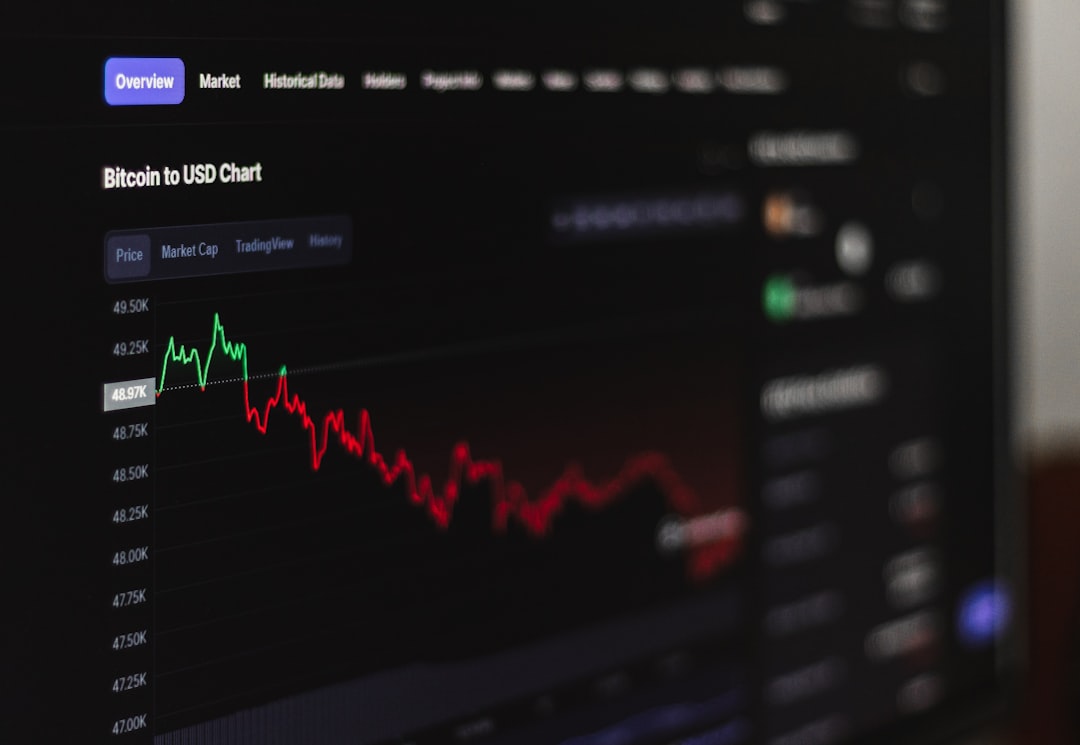
While Bitcoin offers significant potential, it is known for its price volatility. Its value can fluctuate considerably over short periods due to market sentiment, macroeconomic news, and technological developments. It’s crucial for prospective participants to conduct thorough due diligence, understand the risks involved, and never invest more than they can afford to lose. Treating Bitcoin as a long-term investment or a speculative asset, rather than a quick gain, is a common strategy among seasoned participants.
As Bitcoin continues to integrate into the global financial fabric, staying informed about its technological advancements, market trends, and regulatory shifts will be key. Its journey from a niche digital experiment to a significant global asset underscores the importance of understanding its foundational principles for any forward-looking investor or technology enthusiast.