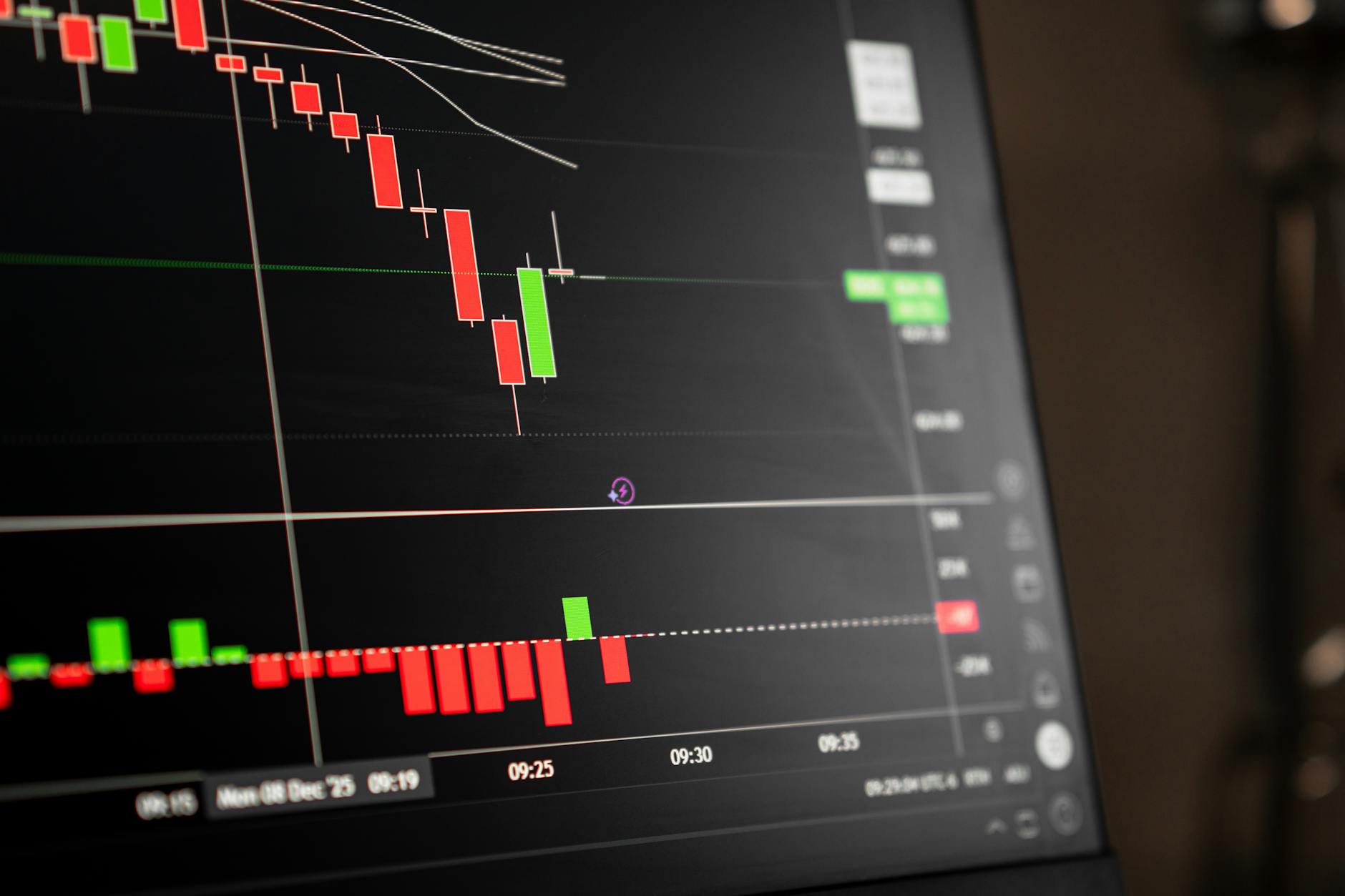
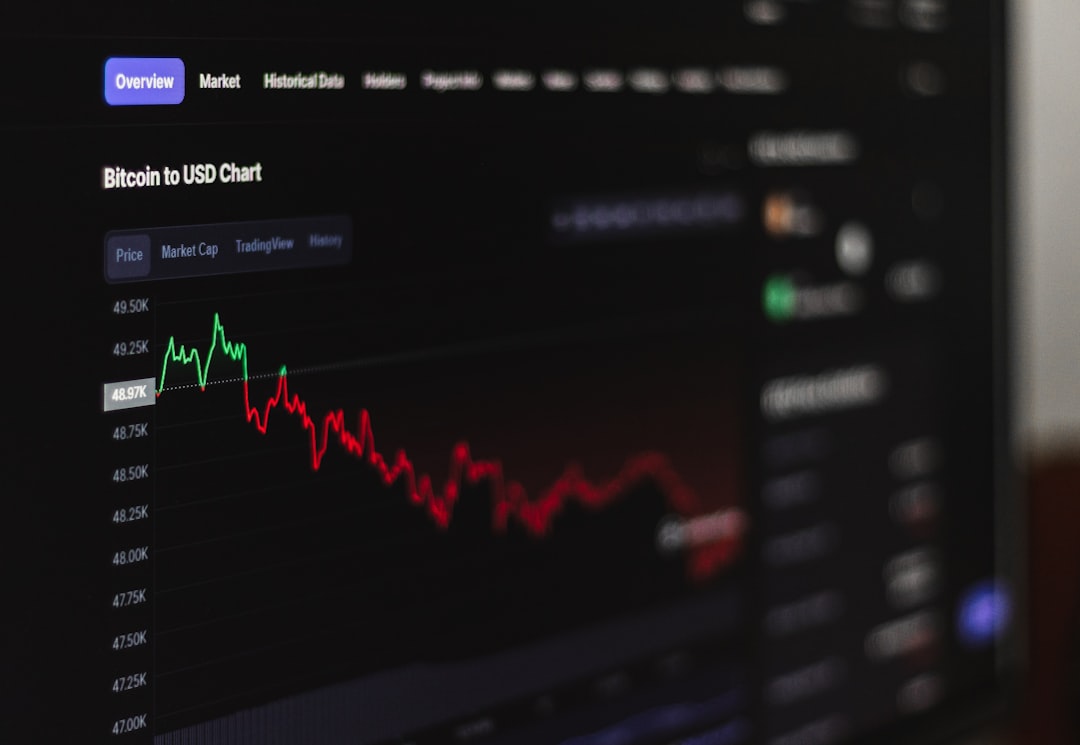
Understanding the dynamic landscape of financial markets is crucial for anyone engaging in modern trading. This guide provides an evidence-backed, intent-first approach to navigating the opportunities and challenges of 2026. You will learn about the pivotal technological advancements, strategic methodologies, and critical risk management practices essential for success in today’s fast-evolving global markets. Our focus is on equipping you with actionable insights to make informed decisions and adapt to the rapid pace of financial innovation.
Key Takeaways
Modern trading demands continuous adaptation to AI and algorithmic advancements.
Data-driven strategies and robust risk management are paramount for sustained success.
Leveraging sophisticated technology enhances analytical capabilities and execution efficiency.
Understanding regulatory shifts and cybersecurity is vital for protecting capital.
How Has the Landscape of Trading Evolved for 2026?
The financial markets of 2026 are markedly different from even a few years ago, driven primarily by technological acceleration. Artificial intelligence (AI) and machine learning algorithms now play a significant role in market analysis, order execution, and risk assessment. This shift has democratized access to sophisticated tools while simultaneously increasing market complexity and speed.
Regulatory frameworks are also adapting to these innovations, aiming to balance market integrity with technological progress. Traders must stay informed about new compliance standards and data privacy regulations, which can impact strategy implementation. Global interconnectedness means events in one market can trigger rapid reactions worldwide, necessitating a broad, contextual understanding.
What Strategies Offer an Edge in Modern Trading?
Successful trading in 2026 relies less on intuition and more on data-driven, systematic approaches. Quantitative strategies, which use mathematical models and statistical analysis to identify trading opportunities, have become increasingly prevalent. These methods allow for objective decision-making, minimizing emotional biases.
Understanding market microstructure—how order books function and how trades are executed—provides a significant advantage. This includes analyzing liquidity, volatility, and order flow dynamics to anticipate short-term price movements. Furthermore, incorporating elements of behavioral finance helps traders recognize and counteract common psychological pitfalls that can undermine even well-conceived plans.
How Can Technology Empower Your Trading Decisions?
Advanced trading platforms now integrate AI-powered analytics, offering predictive insights and real-time market sentiment analysis. These tools can process vast amounts of data, identifying patterns and correlations that human traders might miss. Access to such sophisticated data visualization and backtesting capabilities allows for rigorous strategy validation before deployment.
Automated trading systems, often built on algorithmic principles, can execute trades with precision and speed, capitalizing on fleeting opportunities. However, it’s crucial to understand the underlying logic and limitations of these systems. The U.S. Securities and Exchange Commission (SEC) emphasizes the importance of understanding the complexities of automated trading systems, highlighting potential risks and regulatory considerations for investors.
Harnessing AI for Predictive Analysis
AI’s role extends beyond simple data processing; it’s now capable of generating sophisticated predictive models. These models can forecast market trends, assess potential impacts of news events, and even optimize portfolio allocations. Retail traders can access increasingly powerful AI tools that were once exclusive to institutional firms, leveling the playing field in terms of analytical capability.
The Rise of Decentralized Finance (DeFi) Tools
DeFi platforms offer new avenues for trading and investment, leveraging blockchain technology for transparency and immutability. While presenting unique opportunities, DeFi also introduces distinct risk profiles, including smart contract vulnerabilities and regulatory uncertainties. Integrating DeFi tools requires a thorough understanding of their decentralized nature and associated security protocols.
What Are the Critical Risks and How Can You Mitigate Them?
Despite technological advancements, trading inherently involves significant risks. Market volatility remains a constant factor, exacerbated by rapid news dissemination and algorithmic reactions. Effective risk management is not just about setting stop-losses, but also about portfolio diversification, position sizing, and understanding leverage implications.
Cybersecurity threats are also a growing concern, with phishing attacks and platform breaches posing risks to capital and personal data. Traders must employ robust security practices, including two-factor authentication and vigilant monitoring of accounts. Furthermore, the psychological aspect of trading—managing emotions like fear and greed—is critical; maintaining discipline prevents impulsive decisions.
The future of trading in 2026 is defined by continuous learning and adaptability. As technology evolves and markets become more interconnected, staying informed about new tools, regulatory shifts, and best practices will be your most valuable asset. Embrace a data-driven mindset, prioritize robust risk management, and commit to ongoing education to navigate the complexities and capitalize on opportunities in the modern financial landscape.