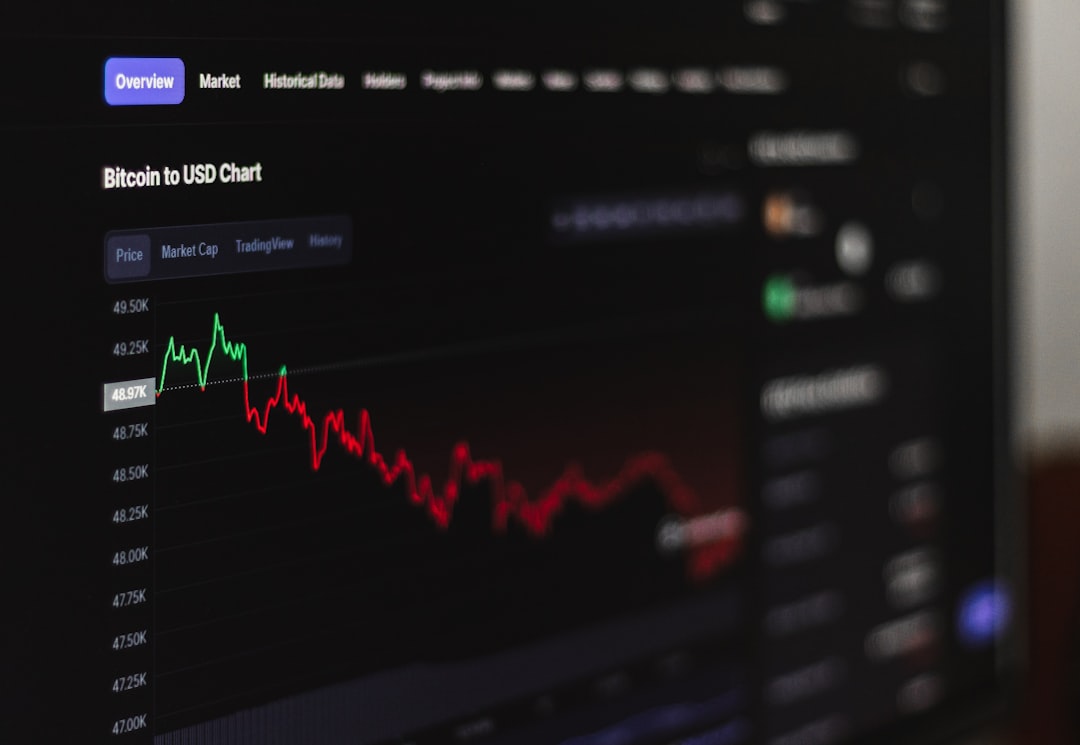
As we delve into the complexities of the foreign exchange market, one currency pair stands out for its sheer volume and volatility: the EUR/USD. On May 28, 2026, this pair is once again making headlines, with traders and investors closely watching its every move. But what drives the fluctuations in this iconic pairing, and how can you harness this knowledge to inform your trading decisions? In this comprehensive guide, we’ll explore the latest trends, provide actionable insights, and discuss effective strategies for navigating the EUR/USD landscape.
Understanding the EUR/USD: A Brief Primer
Before we dive into the nitty-gritty of trading the EUR/USD, it’s essential to understand the fundamentals of this currency pair. The euro (EUR) and the United States dollar (USD) are two of the world’s most widely traded currencies, with the EUR/USD pair accounting for nearly 30% of all foreign exchange transactions. The exchange rate between these two currencies is influenced by a complex array of factors, including economic indicators, monetary policy, and geopolitical events.
To successfully trade the EUR/USD, you need to stay up-to-date with the latest economic news and trends. This includes monitoring key indicators such as GDP growth, inflation rates, and employment figures in both the eurozone and the United States. Additionally, pay close attention to the actions of central banks, particularly the European Central Bank (ECB) and the Federal Reserve, as their monetary policy decisions can significantly impact the value of the euro and the dollar.
Technical Analysis and Trading Strategies
Technical analysis is a crucial tool for traders looking to capitalize on the EUR/USD’s volatility. By studying charts and identifying patterns, you can gain valuable insights into the pair’s potential future movements. Some popular technical indicators for trading the EUR/USD include:
Moving averages: These help smooth out price fluctuations, making it easier to identify trends and potential buy or sell signals.
Relative Strength Index (RSI): This indicator measures the magnitude of recent price changes, helping you identify overbought or oversold conditions.
Bollinger Bands: These volatility-based bands can help you gauge the likelihood of a breakout or a trend reversal.
When it comes to trading strategies, there are several approaches you can take. Day trading, for example, involves opening and closing positions within a single trading day, allowing you to capitalize on short-term fluctuations. Swing trading, on the other hand, involves holding positions for several days or weeks, with the aim of capturing larger price movements.
Fundamental Analysis and Market Sentiment
Fundamental analysis involves examining the underlying factors that drive the value of the euro and the dollar. This includes analyzing economic indicators, such as the Consumer Price Index (CPI), the Producer Price Index (PPI), and the Purchasing Managers’ Index (PMI). It also involves monitoring news and events that can impact market sentiment, such as elections, trade agreements, and geopolitical tensions.
Market sentiment is a critical component of fundamental analysis, as it can significantly influence the EUR/USD exchange rate. Sentiment analysis involves gauging the overall attitude of traders and investors towards the currency pair, with the aim of identifying potential trends and reversals. You can use various tools, such as sentiment indicators and news analytics, to stay on top of market sentiment and make more informed trading decisions.
Managing Risk and Setting Goals
Trading the EUR/USD can be a high-risk, high-reward endeavor. To succeed, it’s essential to have a solid risk management strategy in place. This includes setting clear goals, such as daily or weekly profit targets, and establishing a robust stop-loss system to limit potential losses.
You should also consider diversifying your portfolio by trading other currency pairs, commodities, or assets. This can help spread risk and increase potential returns. Additionally, stay up-to-date with the latest market news and analysis, and be prepared to adapt your strategy as market conditions change.
Conclusion and Key Takeaways
In conclusion, trading the EUR/USD requires a deep understanding of the underlying market dynamics, as well as a solid trading strategy and risk management approach. By staying informed about the latest economic trends, using technical and fundamental analysis, and managing risk effectively, you can increase your chances of success in the foreign exchange market.
Key takeaways from this guide include:
Stay informed about the latest economic indicators, monetary policy, and geopolitical events that can impact the EUR/USD exchange rate.
Use technical analysis and fundamental analysis to inform your trading decisions.
Develop a robust risk management strategy, including setting clear goals and establishing a stop-loss system.
Consider diversifying your portfolio to spread risk and increase potential returns.
Stay adaptable and be prepared to adjust your strategy as market conditions change.
By following these guidelines and staying committed to your trading goals, you can navigate the EUR/USD landscape with confidence and achieve success in the foreign exchange market. Remember to always stay informed, adapt to changing market conditions, and prioritize risk management to ensure long-term profitability.