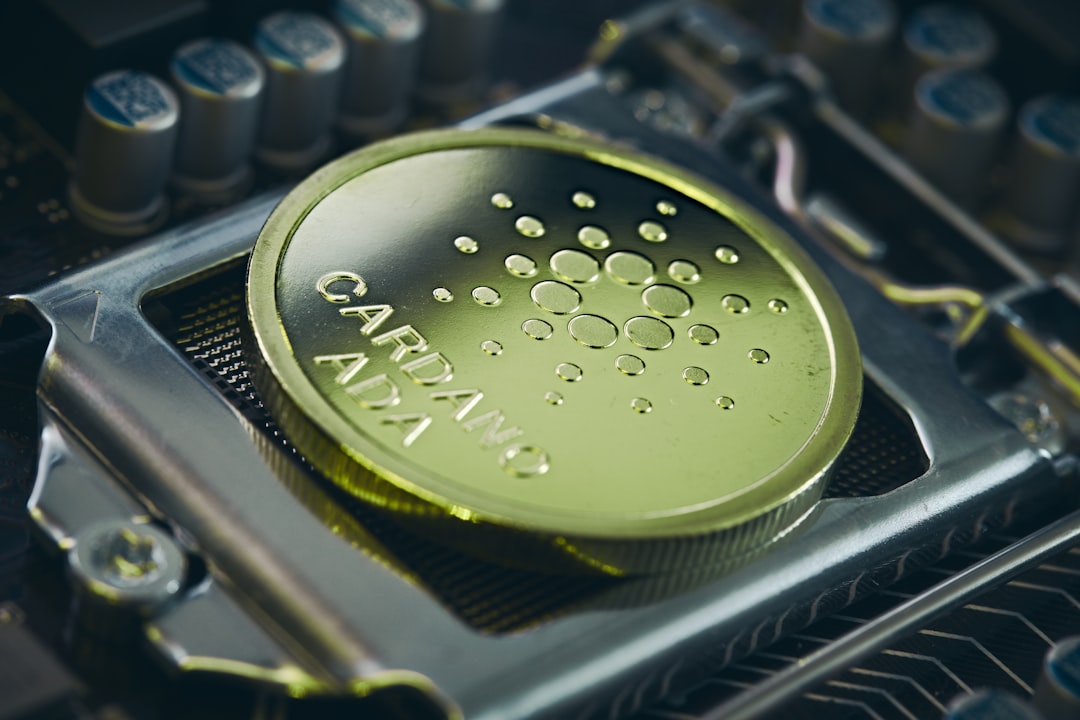
As the blockchain landscape continues its rapid evolution, many within the Web3 space are keenly observing what Cardano may achieve in the coming years. By 2026, the foundational work laid over a decade is poised to deliver significant advancements, shaping its role in decentralized finance, enterprise solutions, and global digital identity. This article delves into the potential breakthroughs, ecosystem growth, and governance milestones that could define Cardano’s impact, offering a forward-looking perspective for users, developers, and enthusiasts alike.
Key Takeaways
Cardano is set to significantly enhance scalability through Hydra and Mithril, improving transaction speed and data verification.
The dApp ecosystem is expected to mature, with robust growth in DeFi, NFTs, and other Web3 applications built on Plutus and Marlowe.
Increased focus on enterprise partnerships and real-world utility positions Cardano for broader adoption in digital identity and supply chain.
The Voltaire era of decentralized governance will empower the community, steering the protocol’s evolution and ensuring long-term sustainability.
What Scalability Breakthroughs May Cardano Deliver by 2026?
Scalability remains a paramount concern for any major blockchain, and Cardano has dedicated substantial resources to addressing this challenge. By 2026, its modular architecture is designed to support a massive increase in transaction throughput and efficiency. Key solutions like Hydra and Mithril are central to this strategy, promising to move Cardano beyond its current capabilities.
Enhancing Transaction Throughput with Hydra
Hydra, Cardano’s layer-2 scaling solution, is designed to process transactions off-chain, significantly boosting speed and reducing fees while maintaining the security of the mainnet. By 2026, the widespread adoption and deployment of Hydra Heads could transform how dApps operate, enabling micro-transactions and highly interactive applications that were previously unfeasible. This parallel processing capability is crucial for handling global demand.
Streamlining Data Verification with Mithril
Mithril is another critical component aimed at improving the efficiency of the Cardano network. It provides lightweight, cryptographic snapshots of the blockchain state, allowing new nodes to sync much faster and dApps to verify data more quickly. This technology is vital for enhancing user experience and developer efficiency, making the network more accessible and responsive as it scales up.
How Might Cardano’s dApp Ecosystem Evolve?
The strength of any blockchain platform lies in its vibrant ecosystem of decentralized applications. Cardano’s Plutus smart contract platform and Marlowe for financial contracts are foundational, and by 2026, the array of dApps is expected to diversify and mature significantly. This growth will attract more users and developers, fostering a self-sustaining innovation cycle.
Expanding Decentralized Finance (DeFi) on Cardano
Cardano’s secure and peer-reviewed approach makes it an attractive platform for DeFi innovation. By 2026, we anticipate a broader suite of lending protocols, decentralized exchanges (DEXs), stablecoins, and synthetic assets. The stability and predictability of the network, coupled with enhanced scalability, will likely draw substantial liquidity and user participation, solidifying its position in the DeFi landscape.
Driving Innovation in NFTs and Web3 Applications
Beyond traditional finance, Cardano is also fostering a growing ecosystem for Non-Fungible Tokens (NFTs) and broader Web3 applications. Artists, creators, and game developers are increasingly exploring Cardano for its low transaction costs and sustainable infrastructure. By 2026, expect to see more sophisticated NFT marketplaces, play-to-earn games, and decentralized social media platforms leveraging Cardano’s unique capabilities.
What Role May Cardano Play in Enterprise and Real-World Adoption?
While often associated with retail investors and crypto enthusiasts, Cardano has consistently pursued avenues for enterprise-grade solutions and real-world utility. Its methodical development approach and emphasis on formal verification resonate strongly with institutions and governments. By 2026, significant strides in these areas could redefine its public perception and impact.
Forging Enterprise-Grade Solutions
Cardano’s robust security model and peer-reviewed scientific methodology make it appealing for enterprise applications requiring high assurance. Potential use cases include supply chain management, intellectual property tracking, and secure data sharing. Partnerships with established corporations and governments could see Cardano’s blockchain integrated into critical infrastructure, driving adoption beyond the crypto native world.
Advancing Digital Identity Initiatives
Digital identity is a key area where Cardano has shown considerable promise. Solutions like Atala PRISM offer verifiable credentials and self-sovereign identity, empowering individuals with control over their personal data. By 2026, these tools could be instrumental in global initiatives for secure identity management, enabling everything from professional certifications to decentralized voting systems.
How Will Cardano’s Decentralized Governance (Voltaire) Shape its Future?
The transition to the Voltaire era marks Cardano’s final stage of decentralization, placing governance entirely in the hands of its community. This shift is not merely symbolic; it represents a fundamental change in how the protocol evolves and adapts. Evidence from other decentralized autonomous organizations (DAOs) shows that active community participation is crucial for long-term health and innovation.
The implementation of a treasury system and a robust voting mechanism will allow ADA holders to propose and vote on network upgrades, funding allocations, and parameter changes. This level of decentralized decision-making, while complex, ensures that the protocol remains resilient and aligned with the collective interests of its participants. For instance, the ongoing development and testing of governance tools, such as those detailed in the official documentation for the Chang hard fork and Voltaire era, indicate a clear path towards a fully community-driven future. This iterative approach to governance ensures a stable and secure transition, reflecting Cardano’s commitment to verifiable and robust development.
By 2026, Cardano may well stand as a testament to sustainable blockchain development, demonstrating how a principled, research-driven approach can lead to a powerful, scalable, and truly decentralized ecosystem. Its continued focus on core technological advancements, a growing dApp landscape, real-world utility, and robust community governance positions it as a significant player in the future of Web3. Exploring the expanding opportunities on Cardano, from building innovative dApps to participating in its evolving governance, will be key for anyone looking to engage with the next generation of blockchain technology.